Case tapers UK · carton sealing machines · box taping machines
Case tapers for cartons, boxes and end-of-line packing.
Seal cartons faster and more consistently with semi-automatic, automatic and random-size case tapers matched to your box sizes, tape format and packing line.
Machine range
Case taping equipment chosen around your cartons, output and packing area.
Tell us the cartons you seal now, the output you need and whether box sizes change during the day. We’ll point you towards the most practical case taper option.
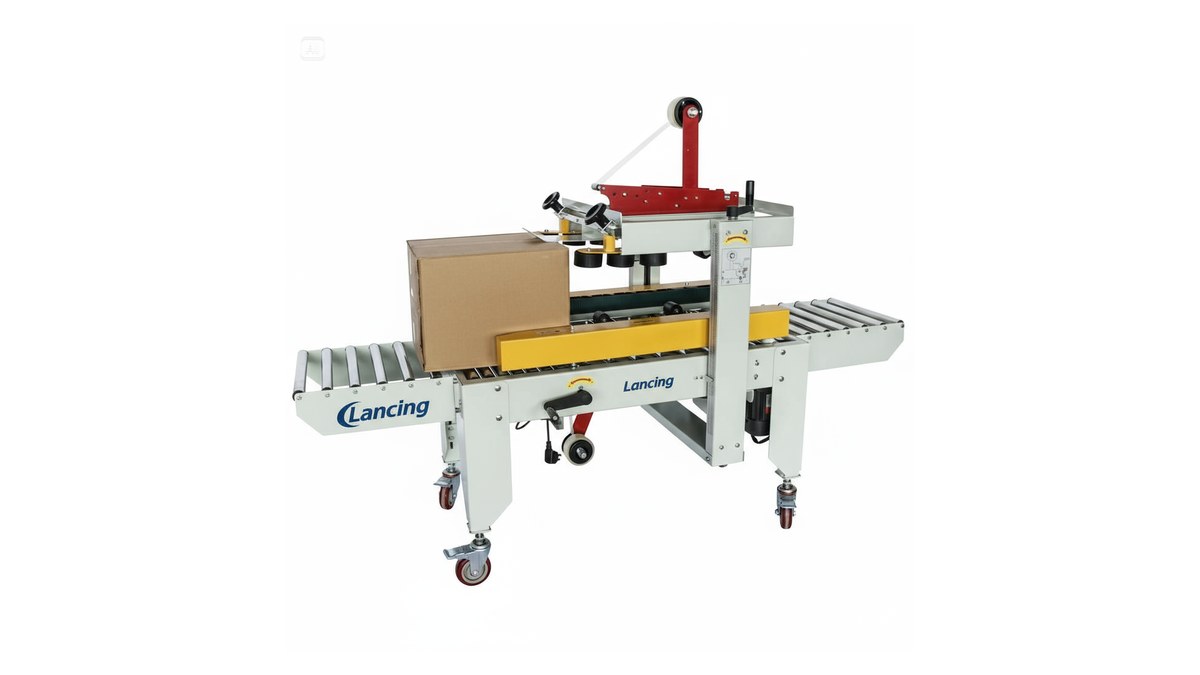
Uniform case tapers
Automatic case taping for repeated carton sizes on production runs.
- Same-size cases
- Top and bottom tape
- Good for fixed SKUs
View this machine →
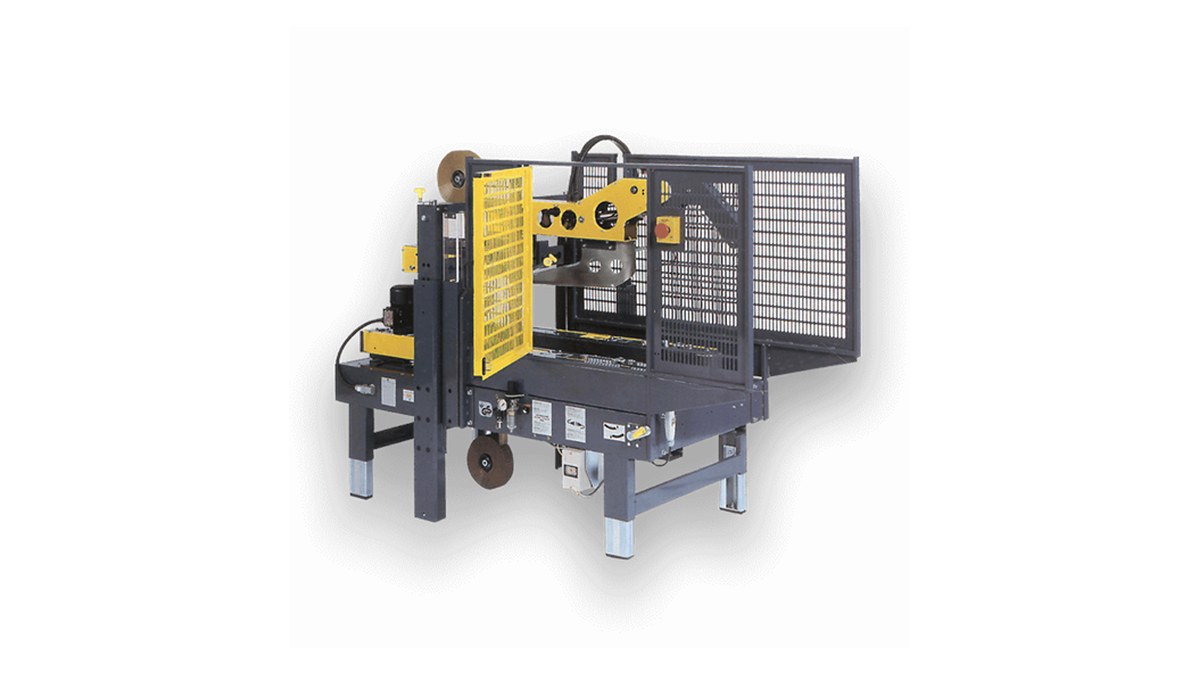
Random case tapers
Self-adjusting case sealing where mixed carton sizes move through the same line.
- Mixed box sizes
- Reduced manual adjustment
- Fulfilment and contract packing
View this machine →
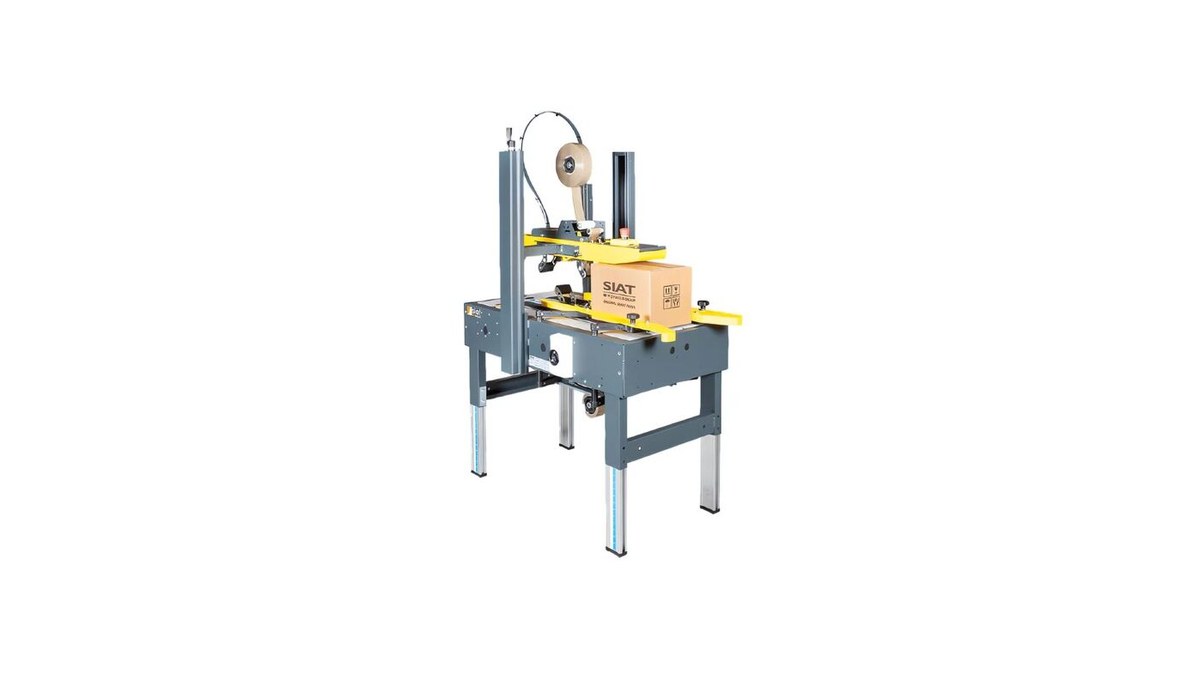
Semi-automatic case tapers
Operator-fed carton tapers for packing benches, batch work and controlled manual packing.
- Lower capital cost
- Compact footprint
- Operator-paced output
View this machine →
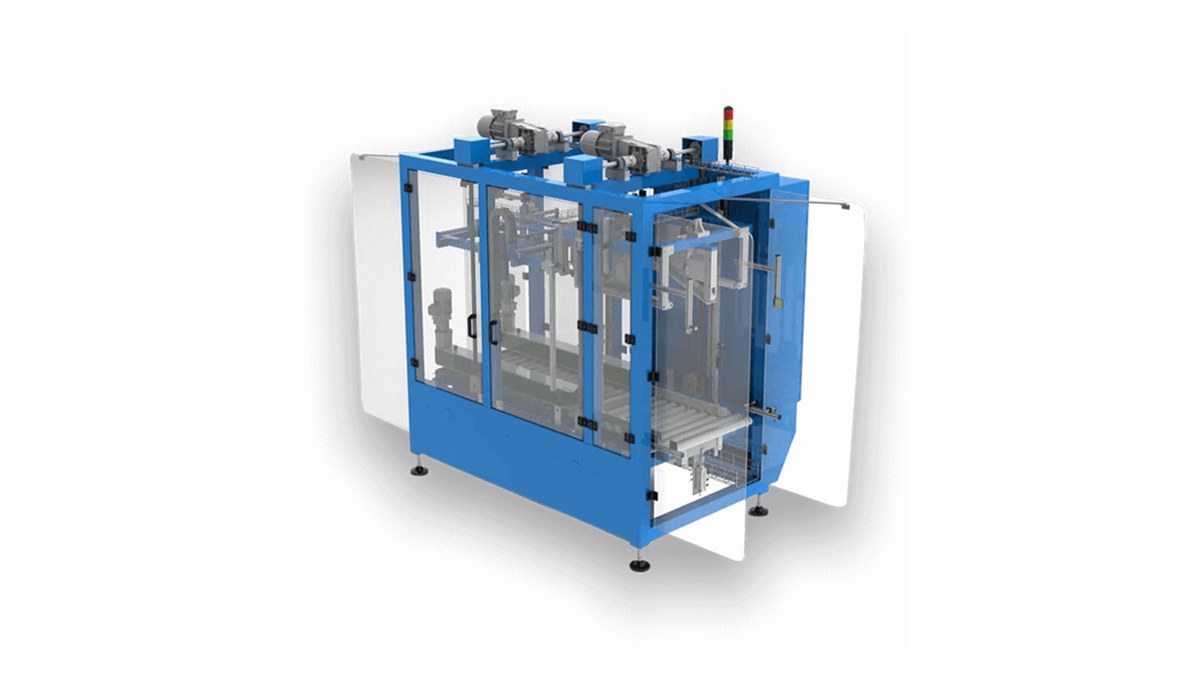
Carton sealing machines
Case sealers for pressure-sensitive tape, top-and-bottom sealing and end-of-line packing.
- Carton sealing
- Tape head support
- Line integration
View this machine →
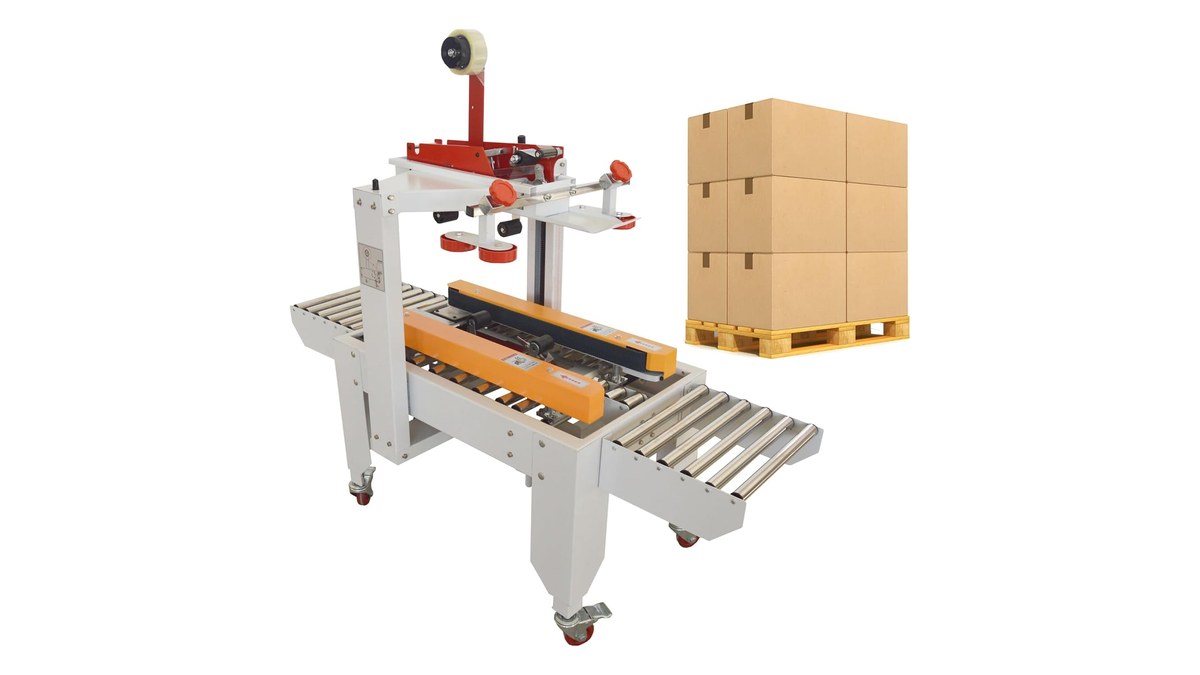
Box taping machines
Box tapers for ecommerce, fulfilment, distribution and manufacturing dispatch areas.
- Parcel lines
- Outer cases
- Distribution packing
View this machine →
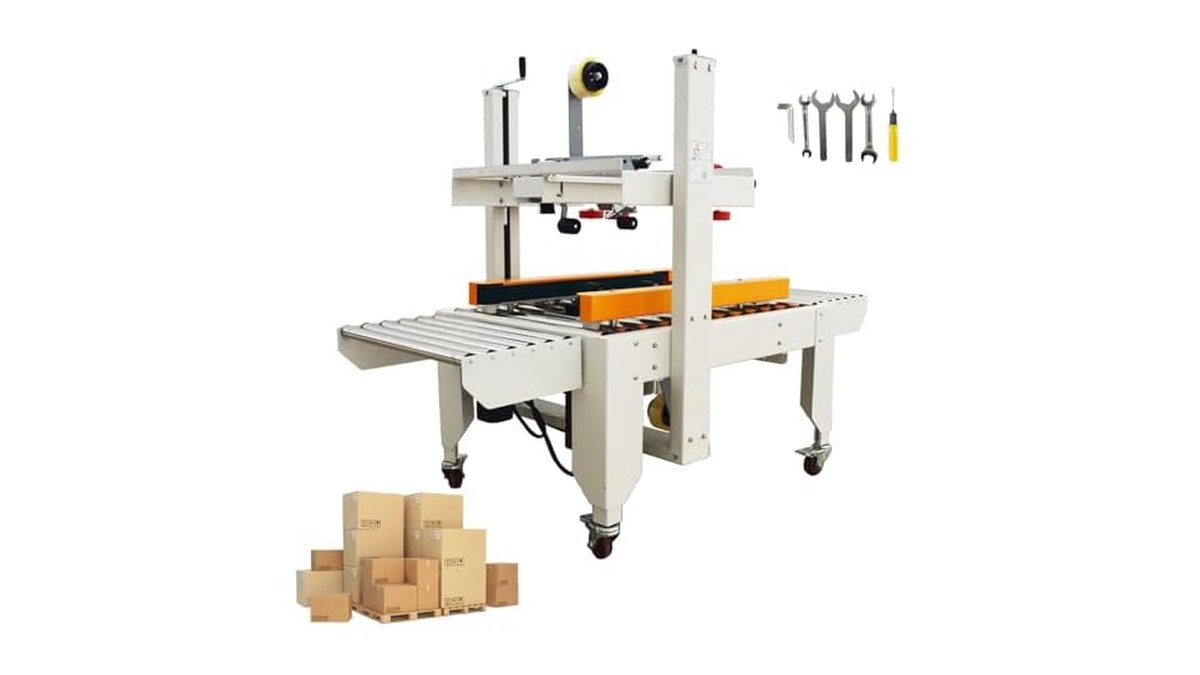
Service, spares and support
Help with specification, installation, tape heads, spares, change parts and maintenance.
- UK support
- Spares planning
- Aftercare
View this machine →
Get the right case taper
Send us your carton details and we’ll recommend a practical machine.
A good recommendation starts with the way your team packs cartons every day: case quality, flap control, case weight, tape adhesion, conveyor presentation and operator handling.
How we help you choose
Get a case taper that fits your cartons and workflow.
We help match the machine to your cartons, tape, operators and surrounding conveyors so it works reliably from day one.
Check your carton range
Share the smallest and largest case you run and how often carton sizes change during a shift.
Check case stability and weight
Tall, light, narrow, heavy or overfilled boxes may need a different drive, guide or support setup.
Confirm tape and flap control
Tape width, adhesive, wipe-down pressure and flap closing method all affect the finished seal.
Applications
Case tapers for production, fulfilment, contract packing and dispatch.
See how case tapers support busy ecommerce, production, contract packing and dispatch teams.
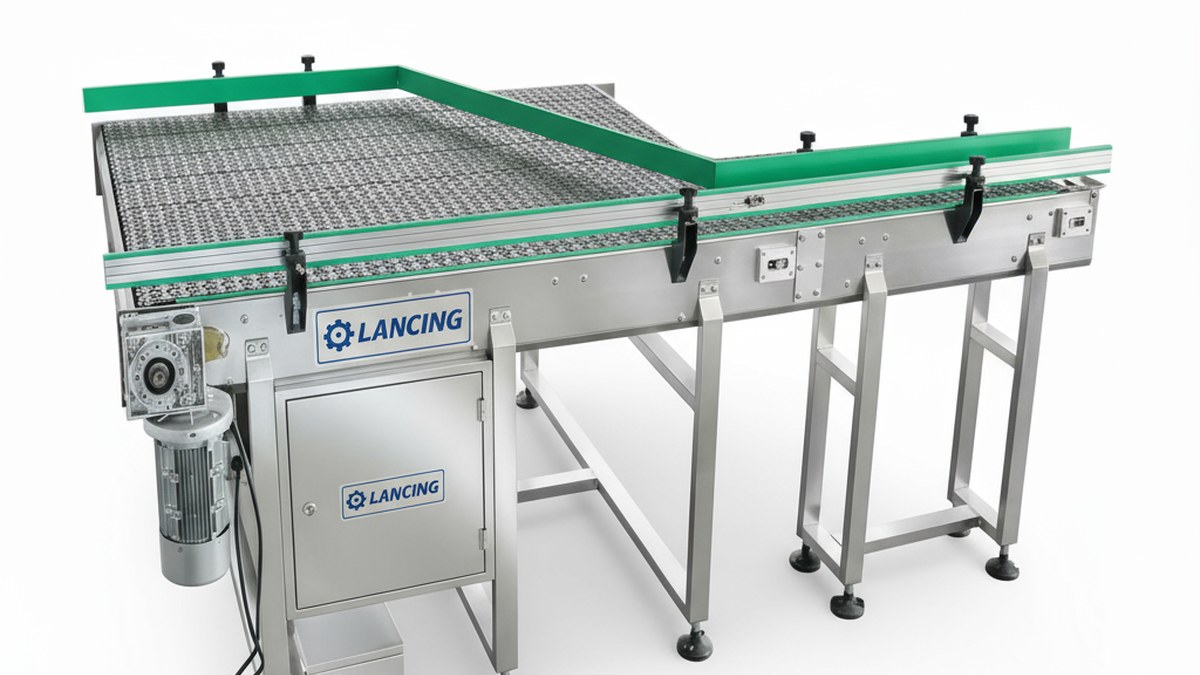
Ecommerce & fulfilment
Random-size boxes, mixed daily order profiles and dispatch packing benches.
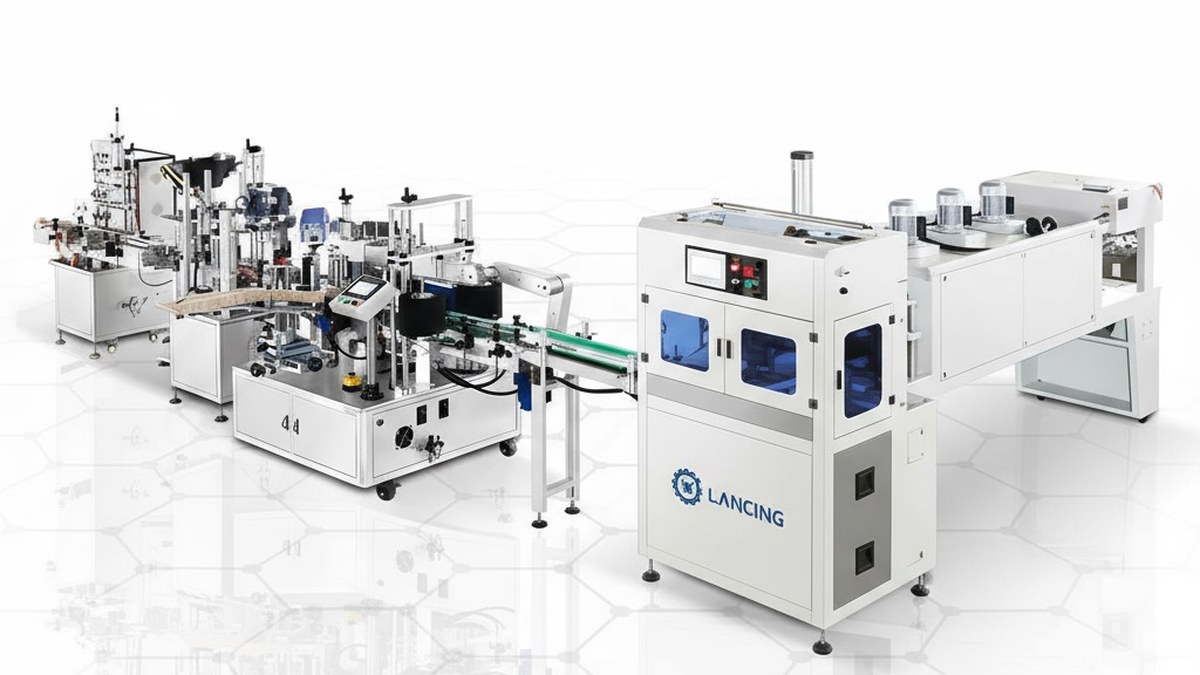
Food & drink outer cases
Carton sealing for case-packed products, multipacks and secondary packaging.
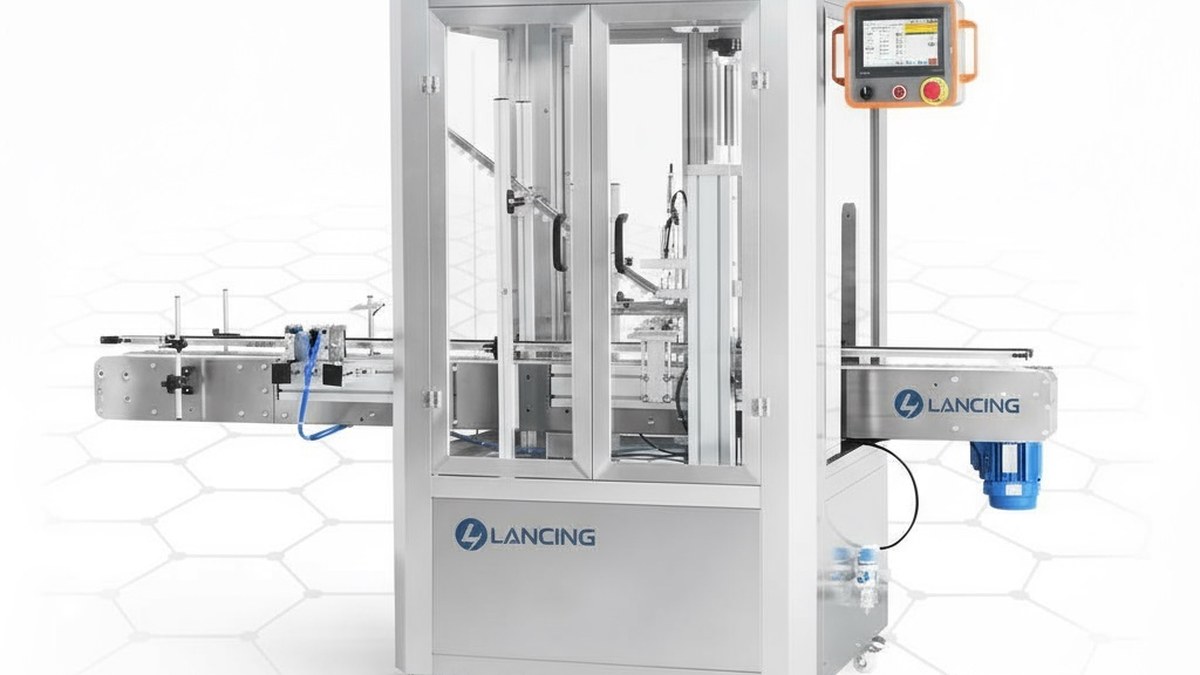
Cosmetics & personal care
Neat case closure for finished goods where presentation and batch changeovers matter.
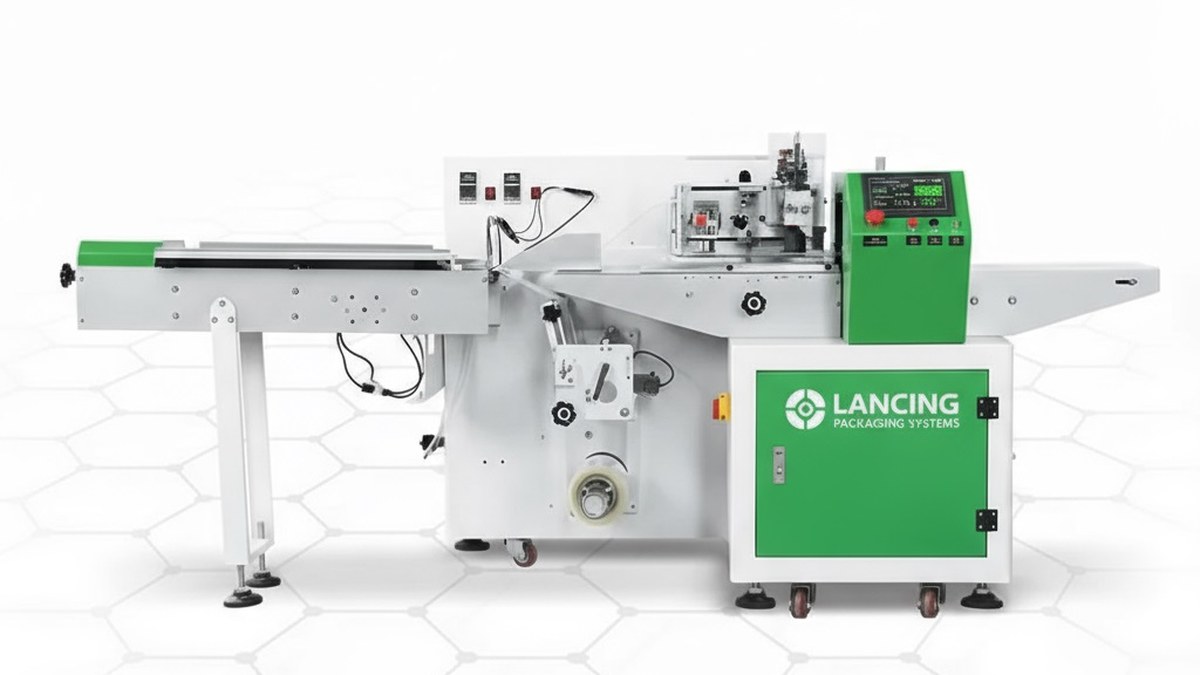
Contract packing
Flexible carton sealing for frequent SKU, carton and customer changes.
Case taper buying advice
Case tapers UK: carton sealing machines for dependable end-of-line packing
Choose carton sealing equipment that keeps your packing area moving. We help UK manufacturers, fulfilment centres and contract packers compare case tapers, carton sealers and box taping machines against real cartons, output targets and available floor space.
Choosing a case taper by carton size and throughput
A good case taper enquiry starts with the carton specification. Minimum and maximum case length, width and height help confirm the machine throat size, guide adjustment and whether a uniform or random carton sealer is more appropriate. Output matters too, but it should be considered with the labour model, infeed method, flap closing requirement and outfeed space.
Carton sealing, box taping and case sealing terminology
Whether you call it a case taper, carton sealer, box taper, box taping machine or case sealing machine, the goal is the same: reliable carton closure with less hand taping and a cleaner dispatch-ready finish.
Support around installation and aftercare
You also get practical support around tape heads, wear parts, conveyors, operator access, maintenance routines and future carton changes, so the machine remains useful after installation.
FAQ
Case taper questions buyers ask before requesting a quote.
What is a case taper?
A case taper, also called a carton sealer or box taping machine, applies pressure-sensitive tape to close cartons, usually across the top and bottom centre seams.
Should I choose a semi-automatic or automatic case taper?
Semi-automatic machines suit operator-fed packing and lower-volume lines. Automatic case tapers suit production lines where cartons are presented consistently and the sealing stage should not slow output.
What is the difference between uniform and random case sealing?
Uniform case tapers are adjusted for one carton size at a time. Random case tapers automatically adapt to mixed box heights and widths, which is useful for ecommerce, fulfilment and contract packing.
Can a case taper be integrated with conveyors?
Yes. Case tapers can be supplied as stand-alone machines or planned with infeed conveyors, outfeed conveyors, accumulation, packing benches and wider end-of-line packaging equipment.
What information is needed for a quote?
Useful details include minimum and maximum carton size, case weight, tape width, required output, whether cases are uniform or mixed, flap closing method, available footprint and any existing conveyor layout.
Can you support installation, spares and maintenance?
Yes. We support UK customers with supply, installation planning, spare parts, tape-head advice, operator handover and ongoing service support.
Specification and trial planning
Confirm the carton, tape and packing process before choosing the machine.
A dependable case taper specification is built from representative cartons and real operating conditions. This avoids choosing a machine from a headline speed or catalogue image alone.
Start with the full carton range
Record the minimum, maximum and most frequently used carton length, width and height. Include the packed weight, board grade, closure style and any cartons that arrive bowed, overfilled or damaged. A uniform case taper is normally considered where one carton size runs for a period and the machine can be adjusted between batches. A random case taper is considered where mixed sizes need to pass through the same sealing point with less manual adjustment.
Define the operator’s role
For an operator-fed process, confirm who erects the carton, packs it, folds the top flaps and presents it to the sealer. A semi-automatic case taper can remove repetitive hand taping while keeping the operator in control of case presentation. For a continuous production line, an automatic case taper may be more appropriate, but carton spacing, flap condition and upstream controls must be reviewed as part of the complete process.
Use the actual tape and board
Tape width, backing, adhesive, roll length and storage conditions can all affect the finished seal. The same tape can behave differently on recycled, coated, dusty or cold carton board. Send a sample roll or the full tape specification with the cartons. The trial should check tape centring, cut quality, wipe-down and adhesion across the top and bottom centre seams without crushing or marking the case.
Measure the surrounding line
Measure finished-floor level to the conveyor surface, line direction, usable footprint and the available straight infeed and outfeed. Note any packing benches, scanners, checkweighers, print-and-apply labellers, accumulation areas or palletising stations nearby. Conveyor-only requirements should be planned on the dedicated packaging conveyors site, while complete multi-machine projects are better reviewed through packaging lines.
Confirm utilities only after the machine route is clear
Electrical supply and controls depend on the selected case taper. Some automatic flap-closing or pneumatic functions may also require compressed air, while simpler operator-fed machines may not. Confirm the available utilities, isolator position and any site standards during specification rather than assuming one arrangement applies to every machine.
Seal quality and payback
Agree what a good result looks like before the machine is signed off.
Acceptance should be based on the cartons, tape and workflow that will be used in production, not on an unloaded demonstration case.
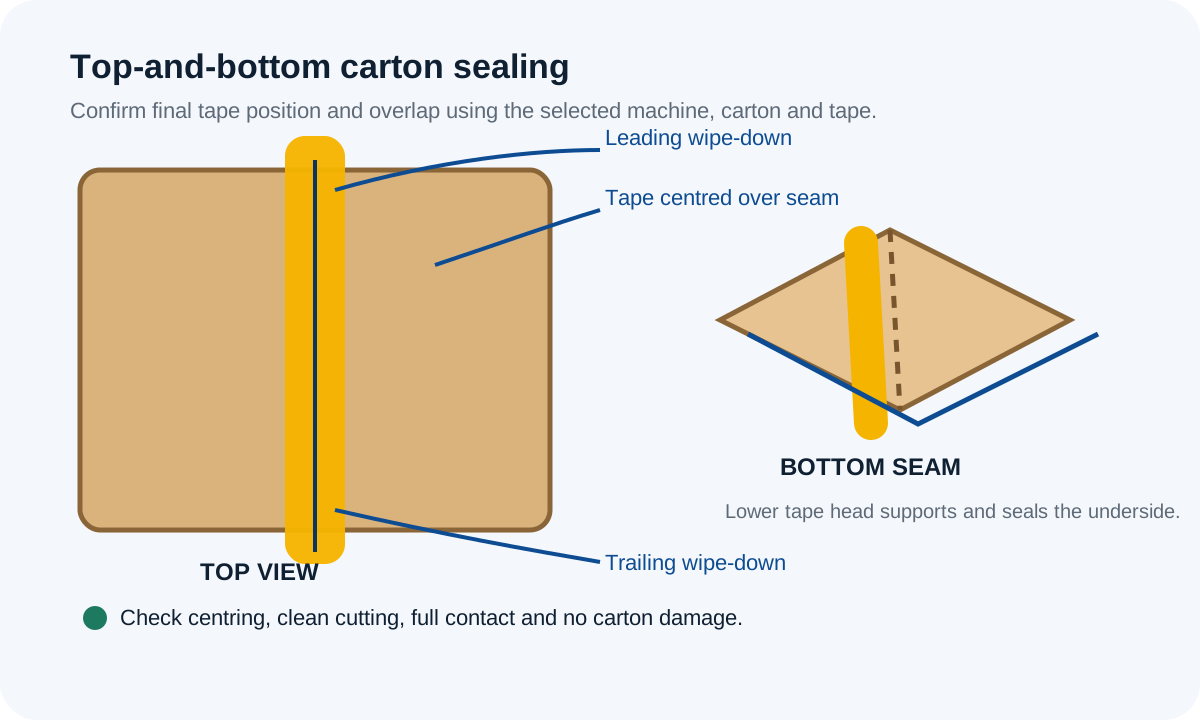
Practical acceptance checks
- Cartons enter squarely and remain stable through the machine.
- Top and bottom flaps are closed without catching or reopening.
- Tape is centred consistently and cut cleanly.
- Wipe-down rollers press the tape onto both flaps without damaging the board.
- The sealed case transfers cleanly to the next conveyor or packing stage.
- Operators can change tape and adjust the machine safely using the supplied instructions.
Use your own figures for ROI
Measure the present hand-taping time, rework, tape consumption and peak-period delays. Compare those costs with the installed machine cost, expected maintenance and the productive time released for packing or quality checks. The case taper ROI guide provides a calculation method without assuming a standard labour saving.
For a project review, send the evidence above to Lancing. We can then compare the case taper machine options against the real requirement and identify where a sample trial is needed.