Automatic case tapers
Automatic case tapers for production line carton sealing
For production lines that need repeatable top and bottom tape sealing with less manual handling at the end of the packing process.
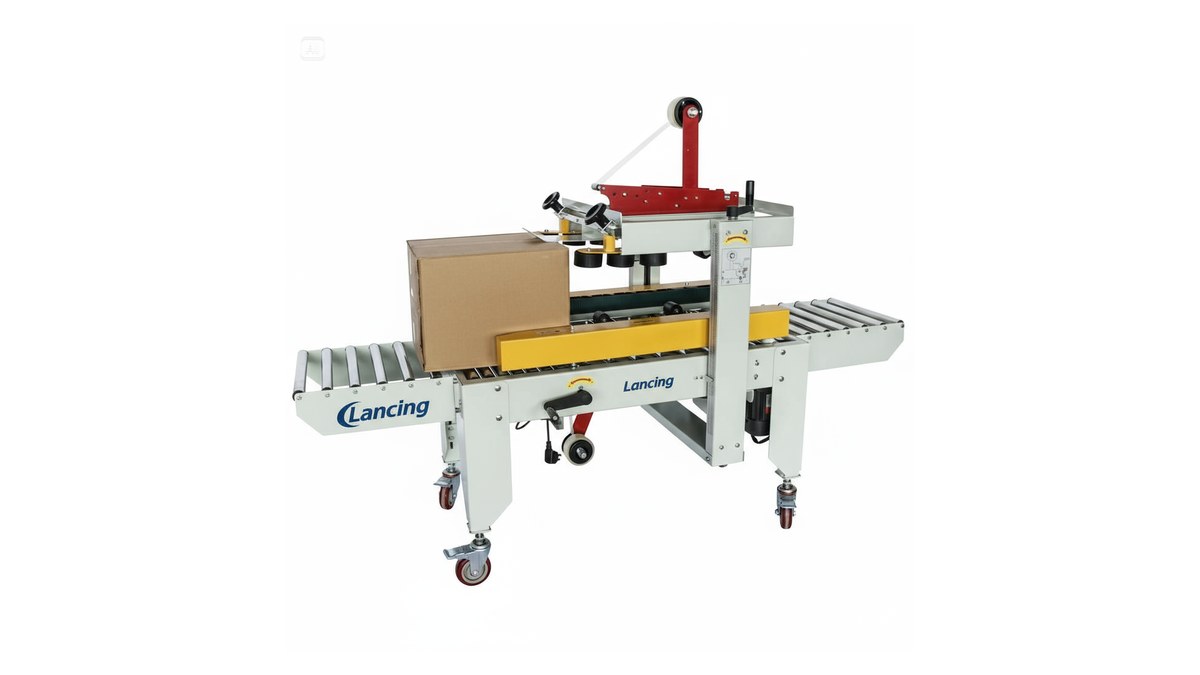
When automatic case taping makes sense
Automatic case tapers are normally considered when the sealing stage must keep pace with the rest of the line. They are best planned around consistent case presentation, conveyor height, carton dimensions and how often the format changes.
Uniform carton runs
If the same carton size runs for a batch or shift, a uniform automatic case taper can be an efficient choice. The machine can be set for the carton size, then cases move through for consistent tape application.
Integration questions
Check infeed conveyor speed, case spacing, flap condition, outfeed accumulation, operator access, guarding expectations and the onward path to palletising or dispatch.
What to include in your enquiry
For the fastest recommendation, include carton dimensions, case weight, tape width, target output, photos of packed cases, whether cartons are uniform or mixed, and a basic line-layout sketch.
Related case taper options
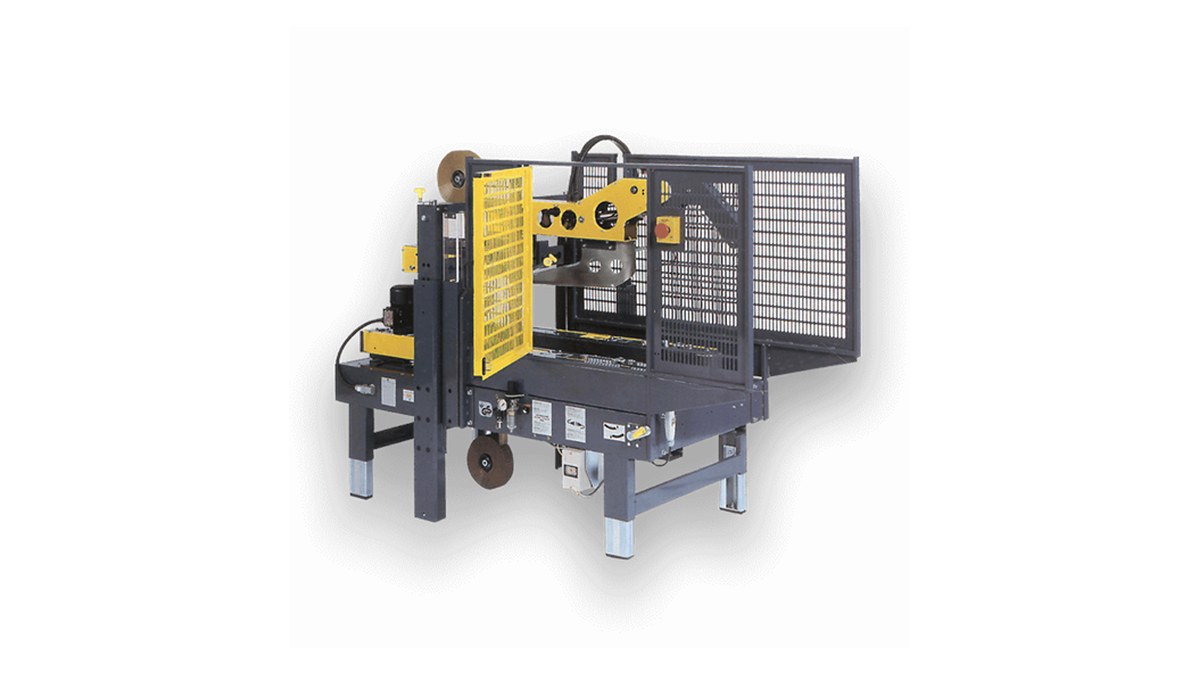
Random case tapers
Self-adjusting case sealing where mixed carton sizes move through the same line.
- Mixed box sizes
- Reduced manual adjustment
- Fulfilment and contract packing
View this machine →
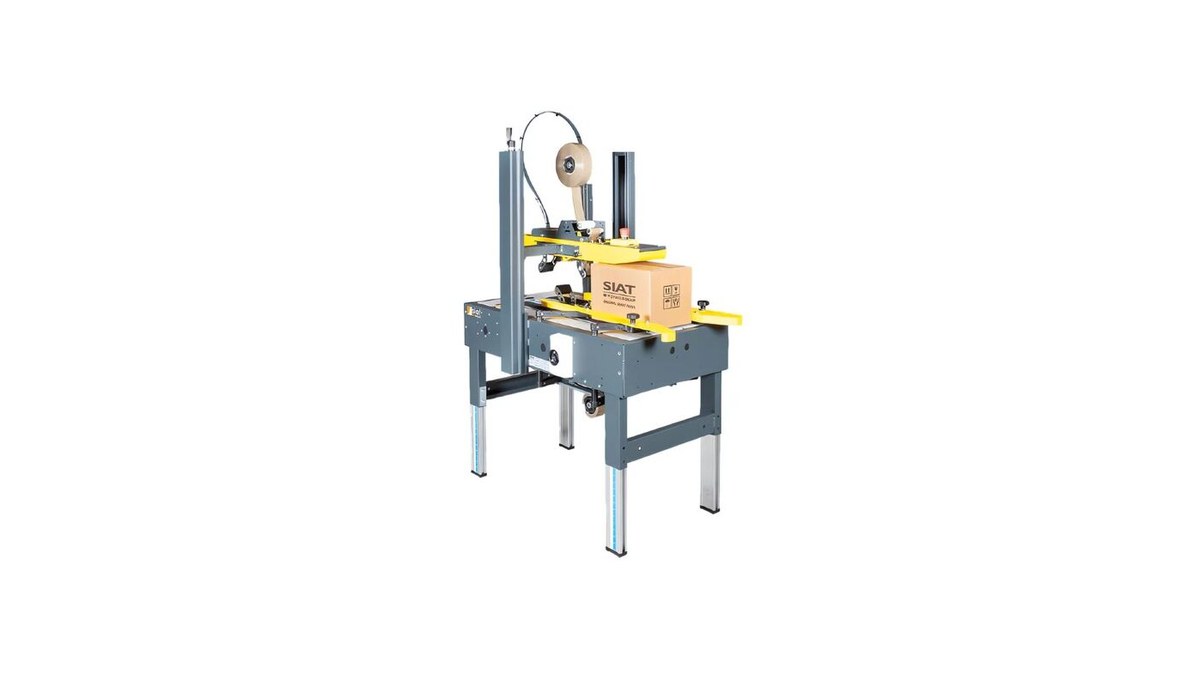
Semi-automatic case tapers
Operator-fed carton tapers for packing benches, batch work and controlled manual packing.
- Lower capital cost
- Compact footprint
- Operator-paced output
View this machine →
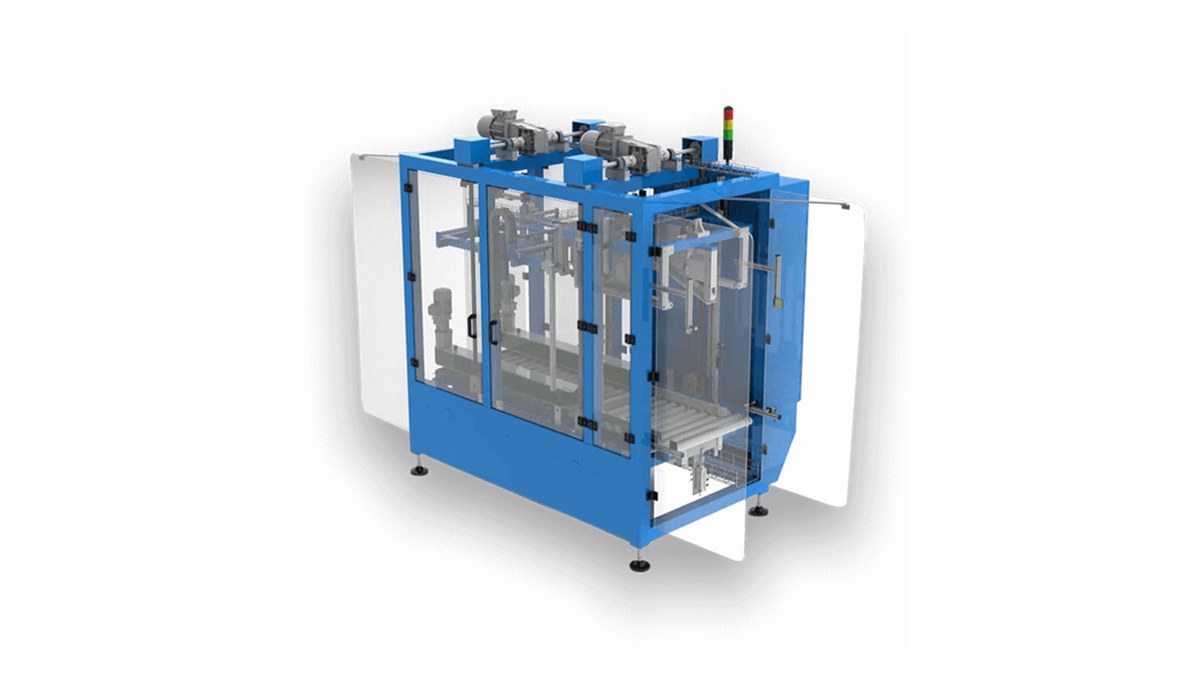
Carton sealing machines
Case sealers for pressure-sensitive tape, top-and-bottom sealing and end-of-line packing.
- Carton sealing
- Tape head support
- Line integration
View this machine →
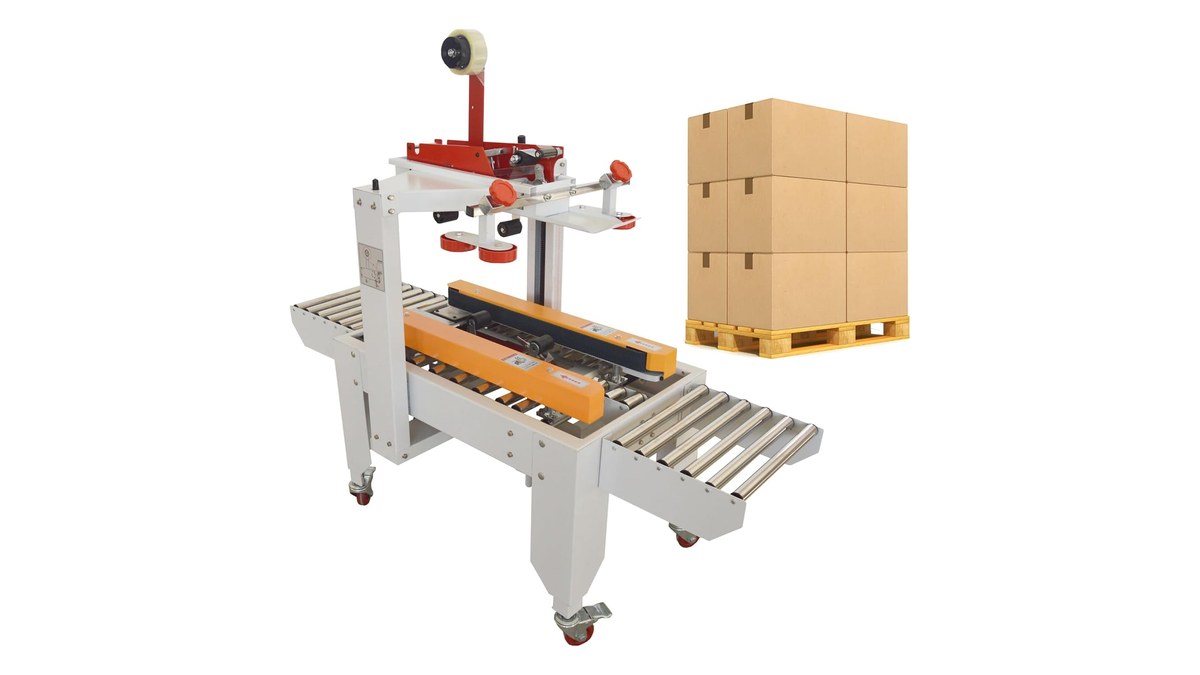
Box taping machines
Box tapers for ecommerce, fulfilment, distribution and manufacturing dispatch areas.
- Parcel lines
- Outer cases
- Distribution packing
View this machine →
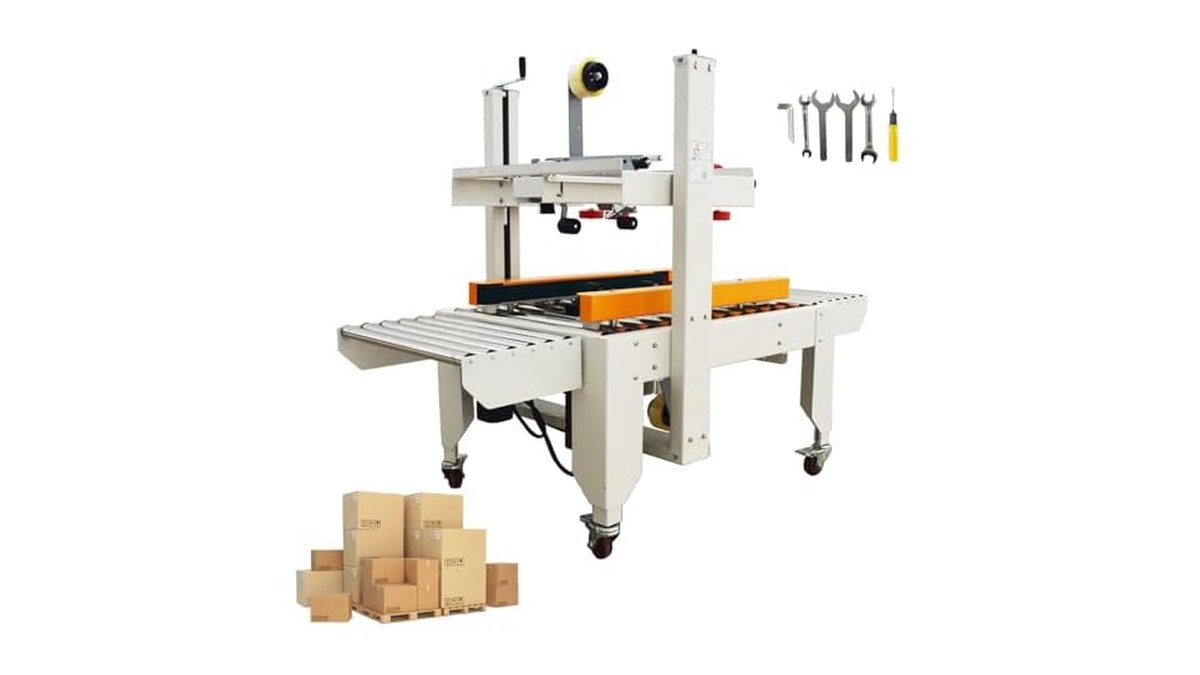
Service, spares and support
Help with specification, installation, tape heads, spares, change parts and maintenance.
- UK support
- Spares planning
- Aftercare
View this machine →
Common buyer questions
Is this the right machine for my cartons?
We check your carton dimensions, case weight, output, size variation, tape format and how each carton reaches the machine before recommending an option.
Can the machine seal both the top and bottom of the carton?
Many case tapers seal both the top and bottom centre seams. The exact machine should be checked against carton size, flap condition and your production method.
Can it be connected to conveyors?
Yes. Case tapers can often be planned with infeed and outfeed conveyors, packing benches and wider end-of-line equipment.
Automatic case taper specification
Prove the complete carton flow before treating sealing as an automatic process.
An automatic case taper works reliably when cartons arrive in a controlled condition, within the agreed range and with enough space for flap handling, sealing and discharge.
How the process is arranged
Filled cartons are released to the machine at a controlled spacing. Depending on the selected arrangement, the top flaps may already be folded or may be closed by an automatic flap-closing section. The case is driven through upper and lower tape heads and then transferred to the next conveyor or packing stage. The exact drive, adjustment and flap-closing method depends on the chosen machine and carton range.
Carton presentation is critical
Cases should enter squarely, with the contents contained below the flap line and the board in a condition that can be guided without collapsing. Bowed, overfilled, soft or damaged cartons can disturb flap closing and tape centring. Include difficult production cases in the trial rather than testing only a perfect empty carton.
Uniform production and changeovers
Automatic uniform sealers suit repeated carton formats run in batches. Confirm how the machine is adjusted between sizes, which settings are recorded and how the first case after changeover is checked. Where sizes arrive randomly, compare a random case taper instead of relying on repeated manual adjustment.
Flap closing and compressed air
If top flaps must be closed automatically, confirm the carton’s fold behaviour, flap length and the available infeed space. Some flap-closing or actuated functions may require compressed air; others may use a different mechanism. The final electrical and air requirement must come from the selected machine specification.
Controls and line integration
Define who controls carton release, what happens if the downstream conveyor stops and how an operator clears a normal stoppage. The sealer should not be specified separately from accumulation, labelling, scanning or palletising. Full line projects are covered by packaginglines.co.uk, while conveyor-specific layouts are covered by packagingconveyors.co.uk.
Trial and acceptance
Run the smallest, largest, heaviest and least stable representative cartons, plus the most common production case. Use the intended tape and a sequence that reflects normal spacing. Agree checks for case entry, flap closure, top and bottom tape position, clean cutting, wipe-down, changeover and outfeed transfer.
Maintenance and operator access
Routine work normally includes cleaning adhesive and dust, checking the tape path, inspecting blades and rollers and monitoring drive belts and guides. The final schedule and isolation steps must follow the selected machine’s manual. Ensure operators can load tape and complete normal adjustments without obstructing the surrounding line.
Automatic case taper specification questions
Does an automatic case taper always close the top flaps?
No. Some installations present cartons with the flaps already folded, while others include an automatic flap-closing section. Confirm the required sequence and carton behaviour before selecting the machine.
Can one automatic machine run several carton sizes?
Many uniform machines can be adjusted between batch sizes. The usable range and changeover method are model-specific and should be checked using the actual cartons.
When is a random case taper more suitable?
Random adjustment is considered where mixed carton sizes arrive without a planned batch change. The cases must still be stable and within the selected machine’s confirmed range.
How should output be verified?
Use a timed sustained run with representative filled cartons, normal spacing, planned changeovers and the surrounding conveyor conditions. A headline maximum is not a substitute for this trial.
What utilities are required?
The selected machine will define electrical supply and controls. Automatic flap-closing or pneumatic functions may also require compressed air, so utilities must be confirmed from the final configuration.
What should be included in acceptance testing?
Check every agreed carton format, top and bottom seal quality, feed stability, changeover, fault handling and transfer to upstream and downstream equipment.