1. Start with the carton size range
Record the minimum and maximum carton length, width and height. A same-size carton run may suit a uniform case taper, while a mixed carton stream may point towards random case sealing.
2. Confirm case weight and carton stability
Light, tall or narrow boxes may need extra attention to guides and belt drive. Heavy cases may influence conveyor strength, belt choice and operator handling.
3. Decide whether flaps are closed manually or automatically
Some packing areas have operators fold the flaps before feeding the case. Higher-automation lines may need automatic flap folding or integration with upstream case packing equipment.
4. Match the tape to the carton
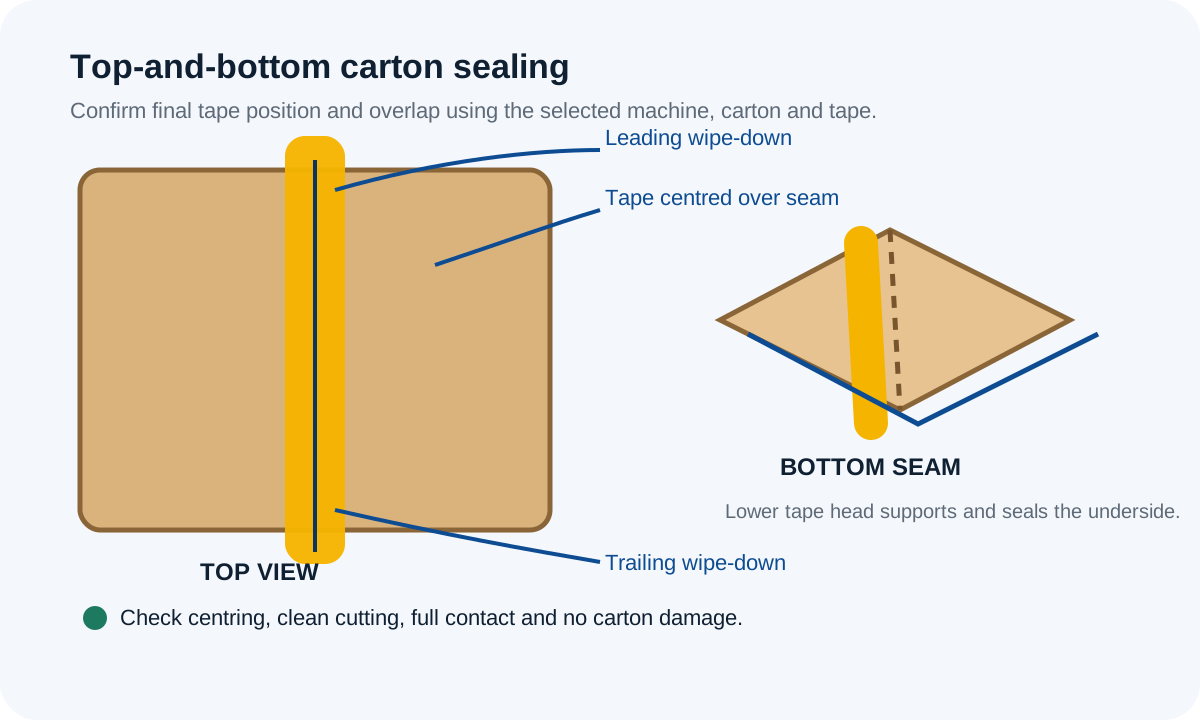
Tape width, adhesive, temperature, dust, recycled board and packed case pressure can all affect the finished seal. Include your tape specification in the enquiry.
5. Plan the surrounding line
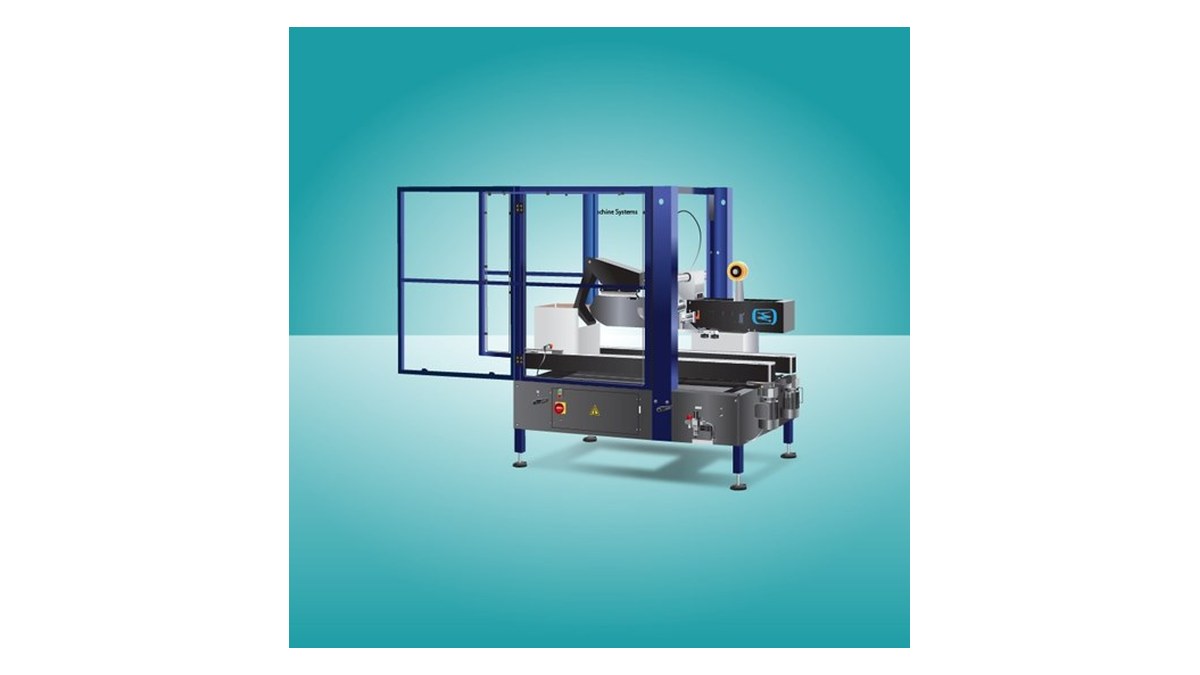
Look at infeed conveyors, packing benches, outfeed space, labelling, checking, palletising and maintenance access. A case taper performs best when it fits the real workflow.