Random case tapers
Random case tapers for mixed-size cartons
Self-adjusting carton sealing for operations where different box sizes move through the same packing or dispatch line.
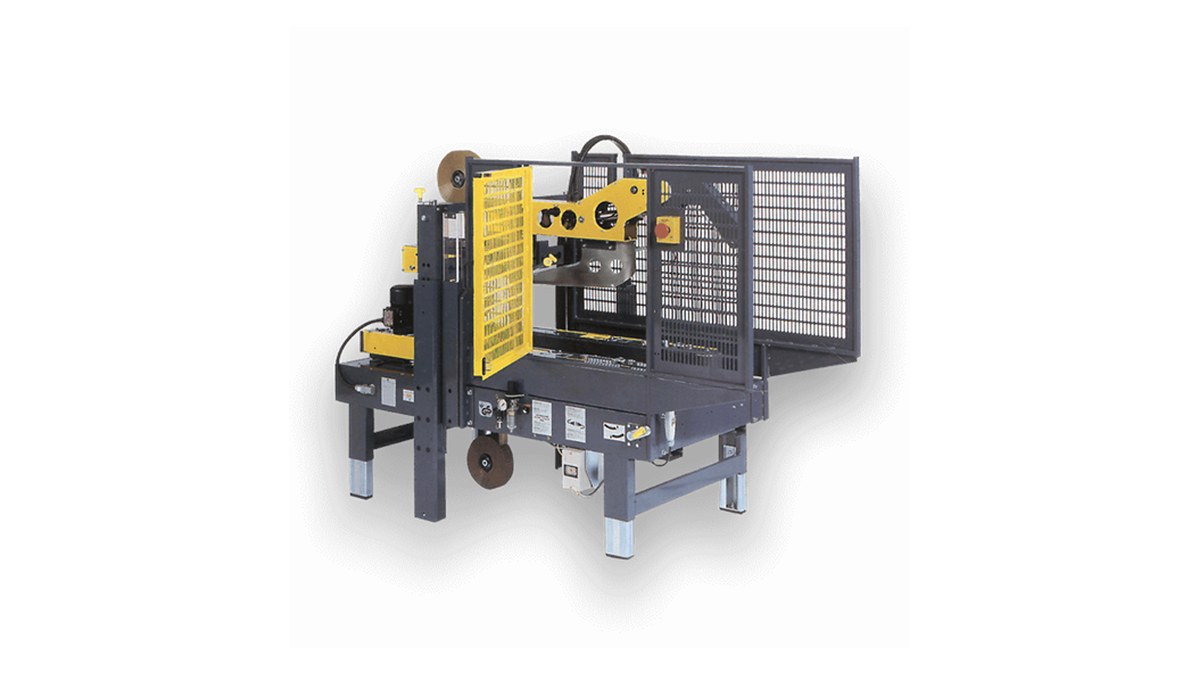
Why random case sealing is different
Random case tapers are designed for mixed carton dimensions. Rather than stopping the line for manual adjustment between case sizes, the machine adapts within its size range as cartons are presented.
Best-fit operations
Random case tapers are especially relevant for ecommerce, fulfilment, distribution, contract packing and multi-SKU operations where order profiles change throughout the day.
Details to confirm
The carton size range is critical. It is also important to confirm how reliably cartons are presented, whether flaps are pre-folded or need closing, and whether the line has enough infeed and outfeed control.
What to include in your enquiry
For the fastest recommendation, include carton dimensions, case weight, tape width, target output, photos of packed cases, whether cartons are uniform or mixed, and a basic line-layout sketch.
Related case taper options
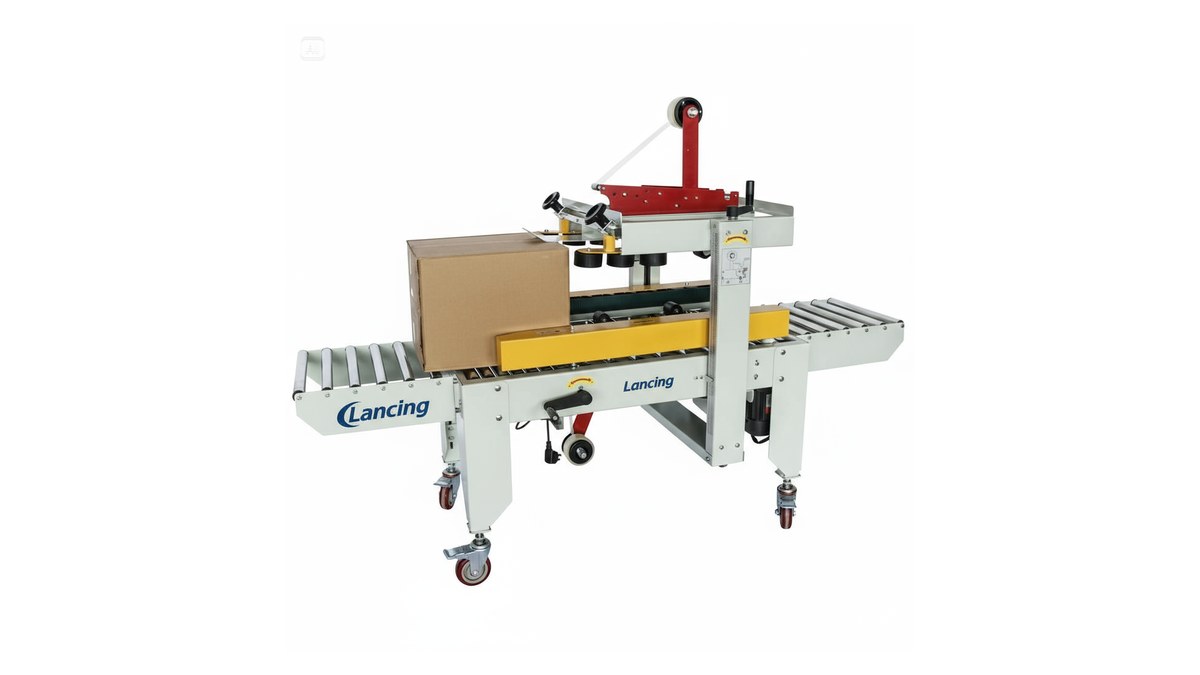
Uniform case tapers
Automatic case taping for repeated carton sizes on production runs.
- Same-size cases
- Top and bottom tape
- Good for fixed SKUs
View this machine →
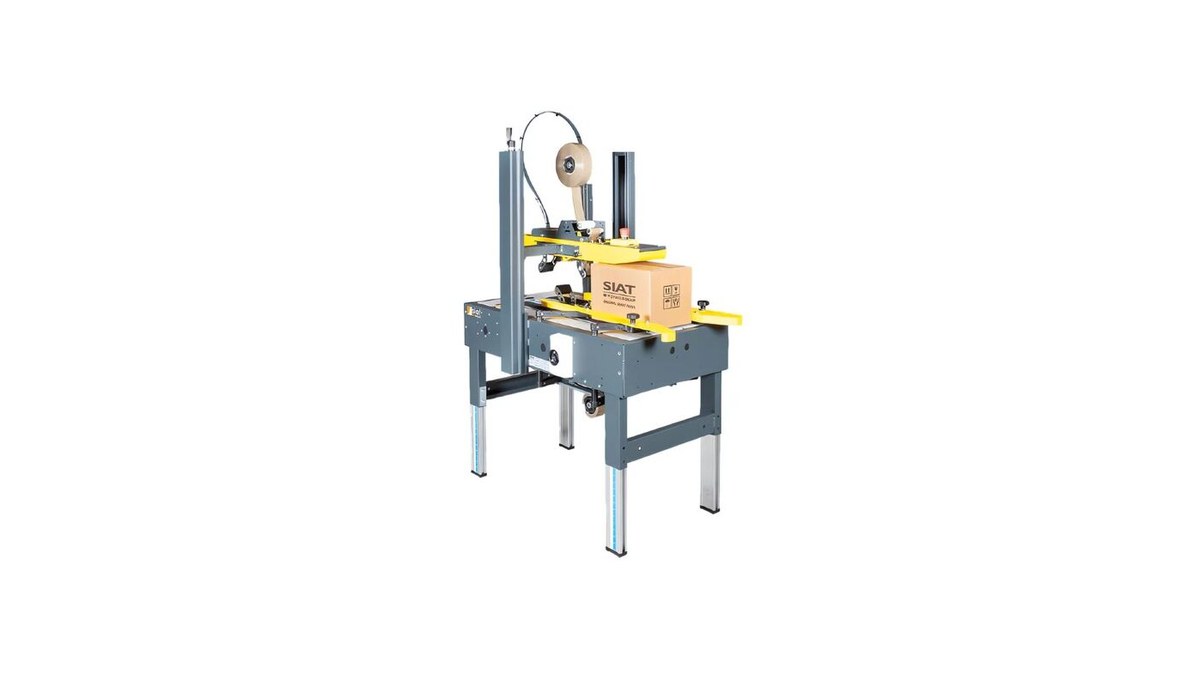
Semi-automatic case tapers
Operator-fed carton tapers for packing benches, batch work and controlled manual packing.
- Lower capital cost
- Compact footprint
- Operator-paced output
View this machine →
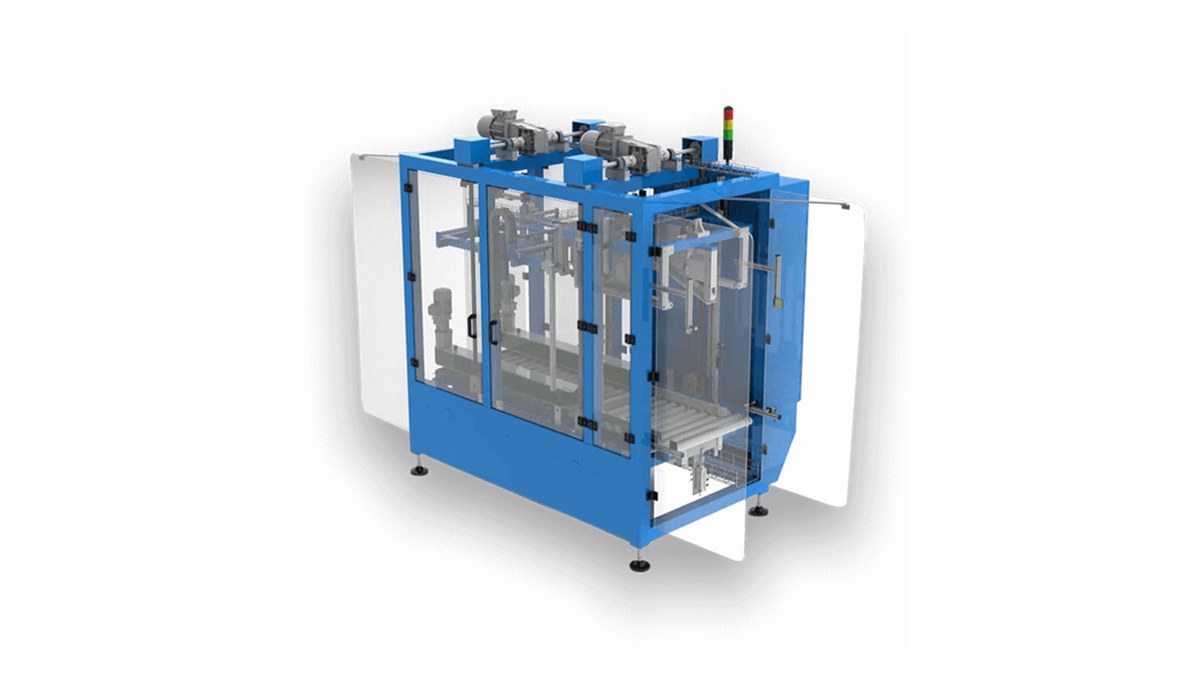
Carton sealing machines
Case sealers for pressure-sensitive tape, top-and-bottom sealing and end-of-line packing.
- Carton sealing
- Tape head support
- Line integration
View this machine →
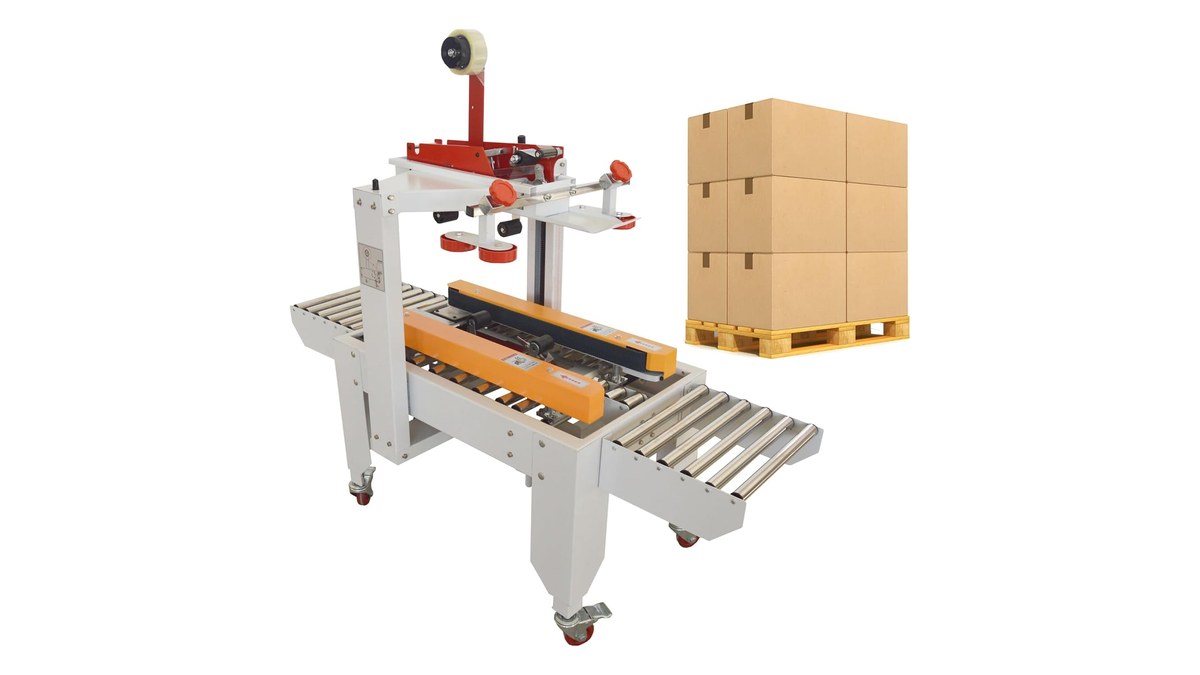
Box taping machines
Box tapers for ecommerce, fulfilment, distribution and manufacturing dispatch areas.
- Parcel lines
- Outer cases
- Distribution packing
View this machine →
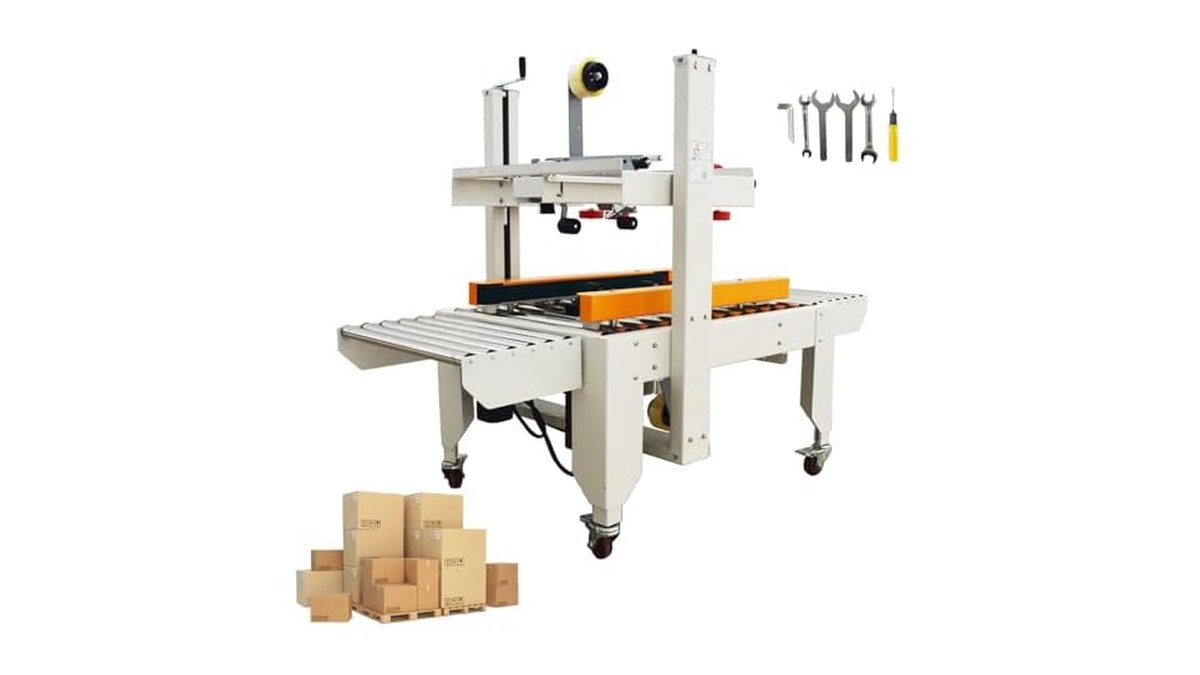
Service, spares and support
Help with specification, installation, tape heads, spares, change parts and maintenance.
- UK support
- Spares planning
- Aftercare
View this machine →
Common buyer questions
Is this the right machine for my cartons?
We check your carton dimensions, case weight, output, size variation, tape format and how each carton reaches the machine before recommending an option.
Can the machine seal both the top and bottom of the carton?
Many case tapers seal both the top and bottom centre seams. The exact machine should be checked against carton size, flap condition and your production method.
Can it be connected to conveyors?
Yes. Case tapers can often be planned with infeed and outfeed conveyors, packing benches and wider end-of-line equipment.
Random case taper specification
Test the real mixed-carton sequence, not only the extreme sizes.
A random case taper adjusts around mixed cases, but reliable operation still depends on a confirmed range, stable carton presentation and suitable spacing.
Define what “random” means on your line
List every carton size and record the order in which cases arrive during a representative shift. A line that changes size every few minutes may have a different requirement from a fulfilment process where every consecutive box is different. Include the most common transitions between tall, short, wide and narrow cases.
Confirm the operating range with filled samples
The selected machine must be checked against the smallest and largest dimensions in each direction, not just one overall minimum and maximum case. Packed weight, centre of gravity, board strength and flap condition also affect whether the case can be guided and adjusted around consistently.
Spacing and detection
Random adjustment needs enough separation for the machine to recognise and reset for the next case. Confirm how cartons are released from the packing area, whether cases can touch and what happens when an operator feeds two boxes too closely. The control method is machine-specific and should be demonstrated during a realistic run.
Flap condition
Some random applications present top flaps already folded; others use a flap-closing arrangement. Mixed case heights and flap lengths can change the closing behaviour. Include cartons with strong fold memory or known presentation problems in the trial.
Tape and seal consistency
Use the intended pressure-sensitive tape and production board. Check that the start, finish and centre-line position remain acceptable as dimensions change. A sequence of mixed cases is more revealing than repeated runs of one size.
When a uniform machine may be better
If cartons are grouped into long, predictable batches and changeover time is acceptable, a uniform machine can be simpler. Compare the real change pattern with the cost and complexity of random adjustment rather than assuming mixed stock automatically requires a random sealer.
Integration and maintenance
Plan upstream release, accumulation and downstream transfer so the random machine can complete each adjustment. Keep detection areas, guides, belts and tape heads clean and follow the selected machine’s manual for inspection and safe access.
Random case taper specification questions
Does a random case taper accept every box size automatically?
No. Every selected machine has a confirmed operating range and presentation requirement. The complete carton list must be checked before selection.
Can consecutive cartons be different sizes?
That is the purpose of a random system, provided the cases are within range and arrive with the spacing and orientation required by the machine.
Do mixed cartons still need to be square and stable?
Yes. Automatic adjustment cannot correct severely damaged, overfilled or unstable cartons. Include difficult production samples in the trial.
How should a random machine be tested?
Run a realistic sequence that includes common sizes, extreme sizes and frequent size transitions with the normal tape and filled weights.
Is random adjustment always better than batch changeover?
No. If sizes run in predictable batches, a uniform machine may be more economical and straightforward. Compare the actual change pattern.
What integration information is needed?
Provide conveyor height, direction, carton spacing, upstream release logic, downstream equipment and the action required if the line stops.