Box taping machines
Box taping machines for packing benches and dispatch lines
Improve manual packing consistency by moving from hand taping to a box taper matched to your carton range, labour model and dispatch flow.
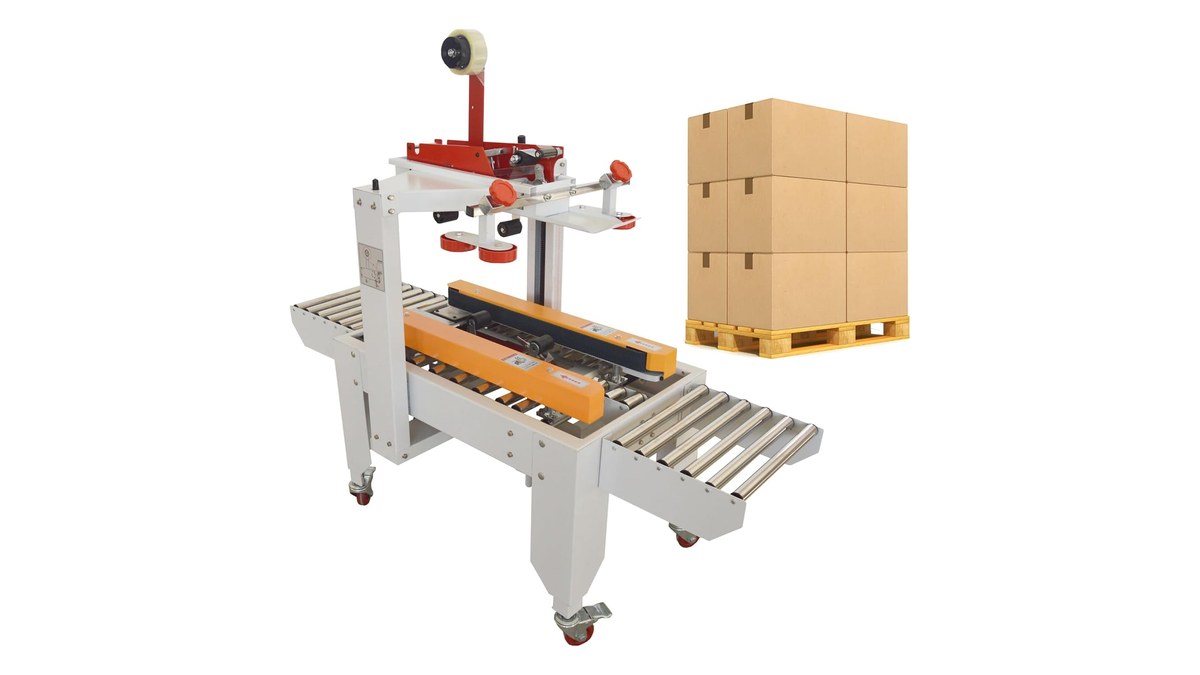
From hand taping to machine taping
Manual tape application can become inconsistent as volumes rise. A box taping machine helps standardise the seal, reduce operator effort and improve the appearance of dispatched cartons.
Packing area questions
Look at the number of packers, carton size variation, tape width, finished box weight, bench layout and how boxes move towards labelling, checking or palletising.
Common users
Box taping machines are common in ecommerce, fulfilment, distribution, food manufacturing, cosmetics, household goods, general manufacturing and contract packing.
What to include in your enquiry
For the fastest recommendation, include carton dimensions, case weight, tape width, target output, photos of packed cases, whether cartons are uniform or mixed, and a basic line-layout sketch.
Related case taper options
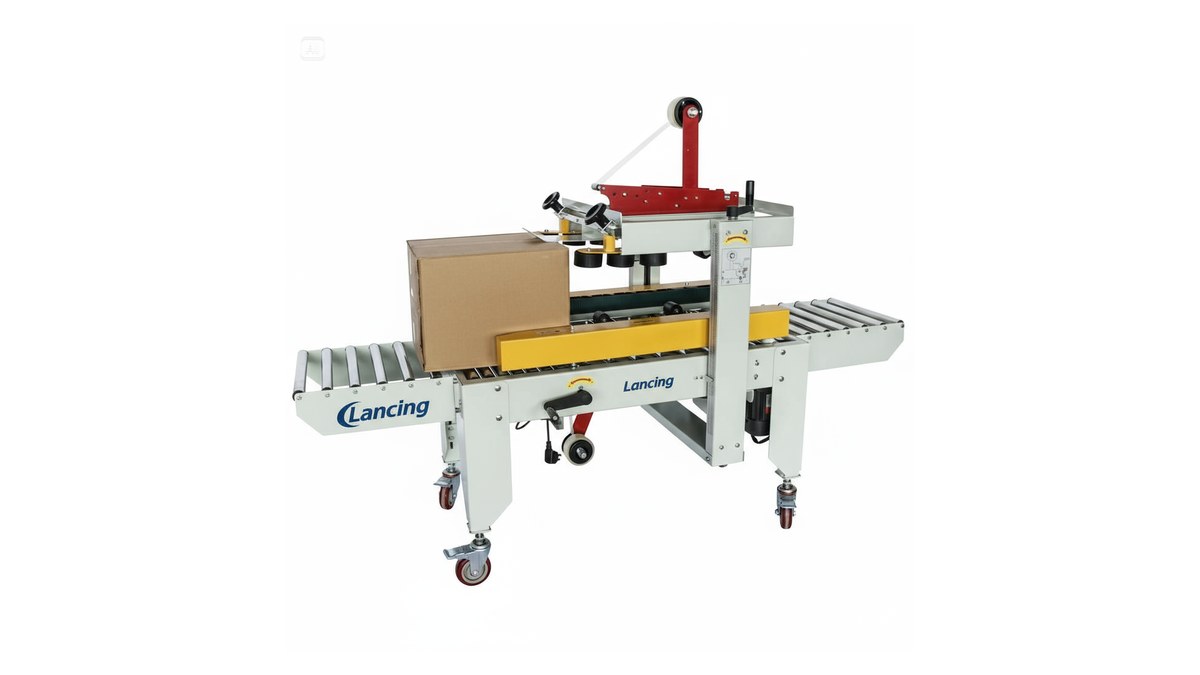
Uniform case tapers
Automatic case taping for repeated carton sizes on production runs.
- Same-size cases
- Top and bottom tape
- Good for fixed SKUs
View this machine →
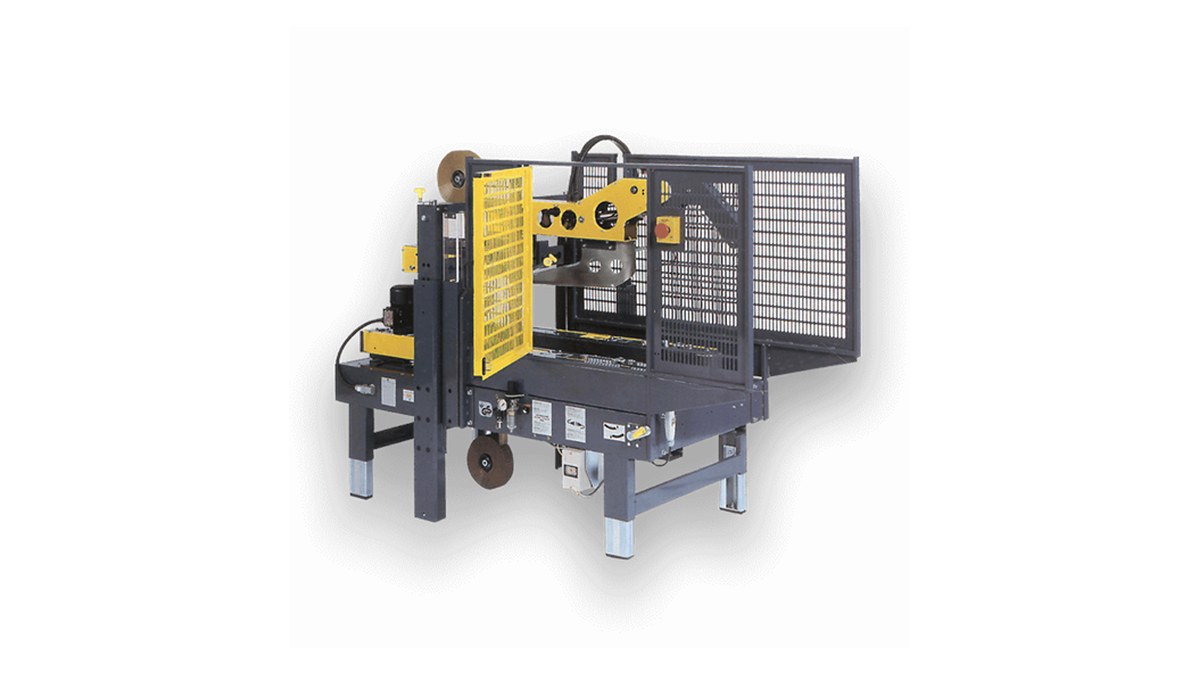
Random case tapers
Self-adjusting case sealing where mixed carton sizes move through the same line.
- Mixed box sizes
- Reduced manual adjustment
- Fulfilment and contract packing
View this machine →
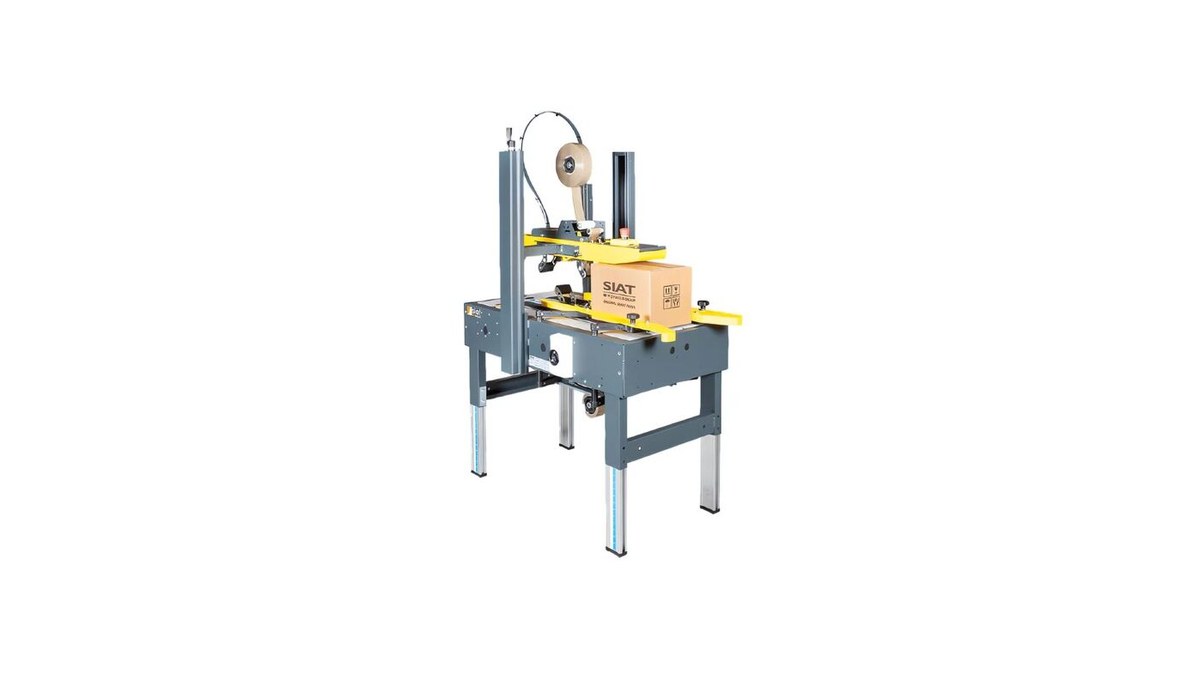
Semi-automatic case tapers
Operator-fed carton tapers for packing benches, batch work and controlled manual packing.
- Lower capital cost
- Compact footprint
- Operator-paced output
View this machine →
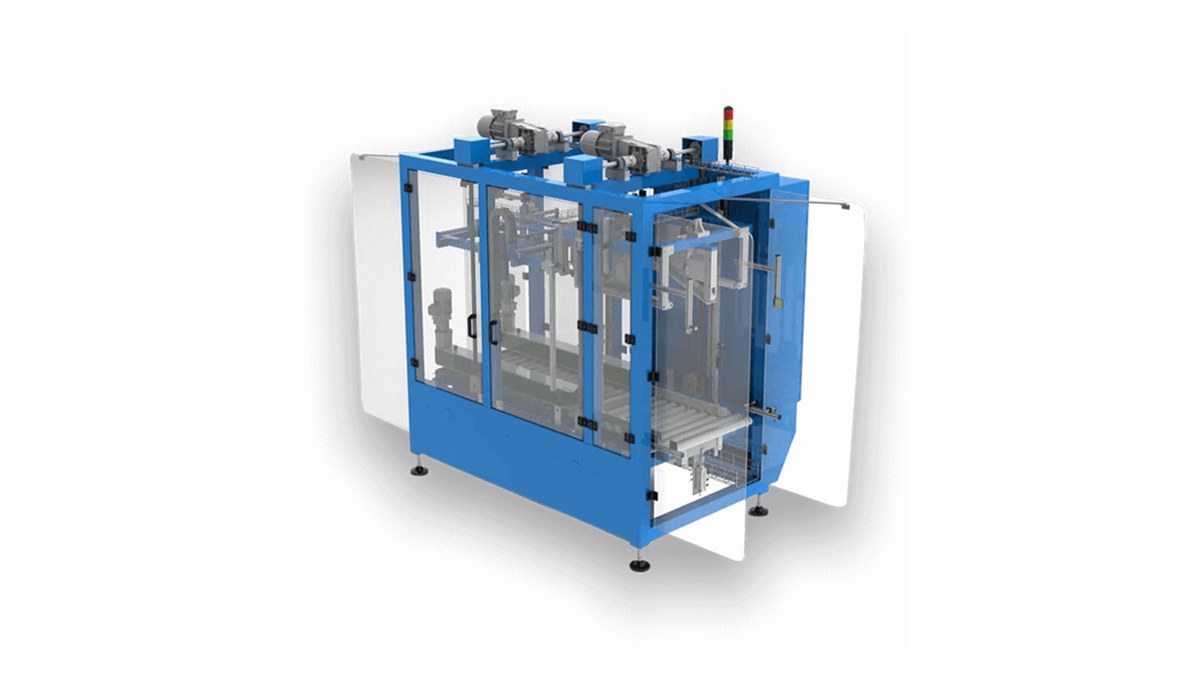
Carton sealing machines
Case sealers for pressure-sensitive tape, top-and-bottom sealing and end-of-line packing.
- Carton sealing
- Tape head support
- Line integration
View this machine →
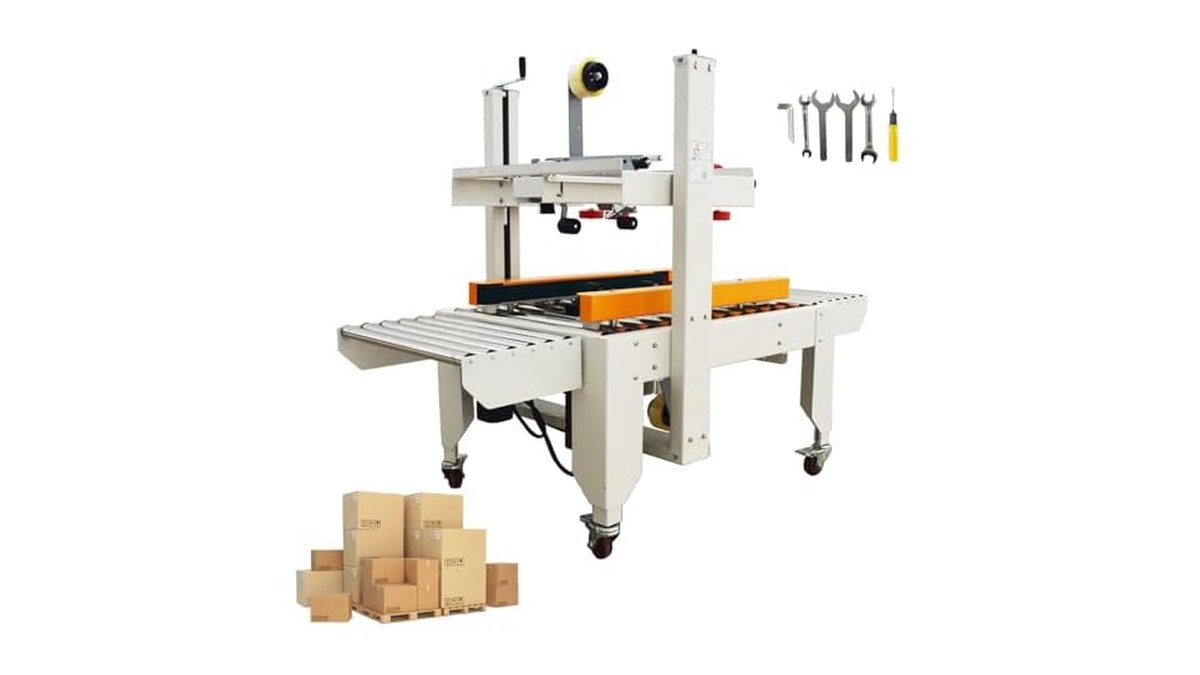
Service, spares and support
Help with specification, installation, tape heads, spares, change parts and maintenance.
- UK support
- Spares planning
- Aftercare
View this machine →
Common buyer questions
Is this the right machine for my cartons?
We check your carton dimensions, case weight, output, size variation, tape format and how each carton reaches the machine before recommending an option.
Can the machine seal both the top and bottom of the carton?
Many case tapers seal both the top and bottom centre seams. The exact machine should be checked against carton size, flap condition and your production method.
Can it be connected to conveyors?
Yes. Case tapers can often be planned with infeed and outfeed conveyors, packing benches and wider end-of-line equipment.
Box taping specification
Remove hand taping without moving the bottleneck to packing or dispatch.
A box taping machine should be selected from the complete work cycle, the daily carton mix and the quality required at courier or pallet handover.
Measure the current manual process
Time erection, packing, void fill, flap folding, hand taping, label application and removal. Note where boxes queue and how often operators retape poor seals. This establishes whether the main opportunity is tape application, workstation layout or wider dispatch flow.
Packing-bench or inline arrangement
A compact operator-fed machine can sit near a packing bench where the operator folds and presents each box. An inline automatic sealer needs controlled case release, stable entry and an outfeed that will not block. The best arrangement depends on how work is divided, not only total daily volume.
Uniform and mixed box sizes
Uniform machines suit batch runs where adjustment between sizes is practical. Random machines are considered when consecutive boxes vary. Provide the full size list and the real order pattern, including the smallest and least stable cases.
Tape consumption and changeovers
Record tape width, roll length, adhesive and the number of roll changes during busy periods. A machine can improve repeatability, but the tape still needs to suit the board and environment. Include tape loading and roll replacement in the workstation review.
Dispatch presentation
Check that the finished tape does not obscure courier labels, handling marks or printed information. If weighing, scanning or print-and-apply labelling follows the sealer, confirm the transfer and required case orientation.
Acceptance and operator training
Trial representative filled boxes at normal and peak working pace. Agree seal quality, feed stability, changeover and the steps for loading tape and routine checks. Record approved settings for regular formats.
When wider automation is needed
If case erection, packing, weighing, labelling or palletising is the main constraint, review the wider project through packaging automation UK or packaging lines rather than expecting the taper alone to solve every delay.
Box taping machine specification questions
Is a box taper the same as a carton sealer?
The terms are often used for the same type of pressure-sensitive tape machine. The required operator, adjustment and flap-closing arrangement still needs to be specified.
Will a machine always reduce packing labour?
It can remove repetitive hand taping, but the benefit depends on the full cycle and whether the released time can be used productively. Measure the present process first.
Can different box sizes be sealed?
Uniform machines can be adjusted between batches, while random machines are designed for mixed sizes. The confirmed range is model-specific.
How do I compare machine output?
Use a timed run with filled boxes, normal operator tasks, tape changes and downstream handling. Avoid comparing unsupported maximum figures.
Can the machine work beside a packing bench?
Yes, where the bench, case storage, operator reach, infeed and outfeed are laid out around a safe and efficient work sequence.
What should a seal sample show?
It should show centred tape, clean cutting, full wipe-down, adhesion to both flaps and no damage or interference with labels and markings.