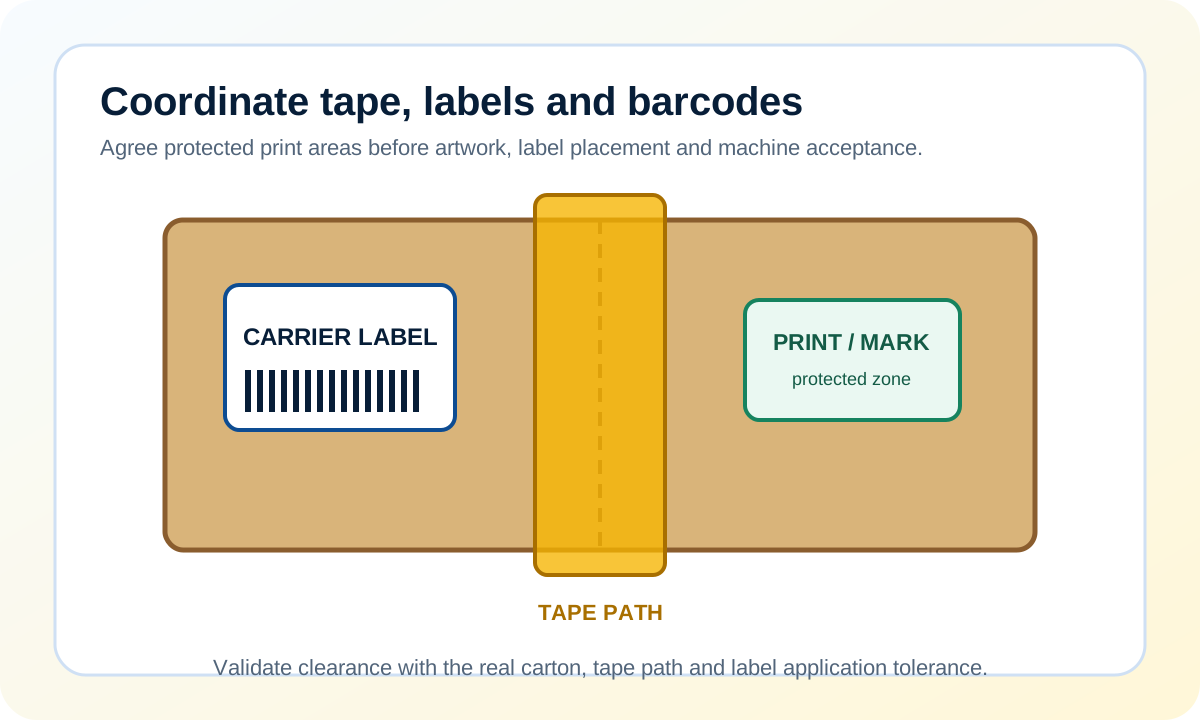
A carton can leave the case taper with an acceptable structural seal and still fail the dispatch process if tape obscures a barcode, a carrier label bridges the seam or a printed code sits where a belt, guide or tape wipe-down contacts the board. The correct solution is an agreed surface map rather than an informal instruction to “keep the label away from the tape”.
Use approved carton artwork or marked physical samples. Show the centre seam, expected tape width, leading and trailing tape tails, existing print, label footprint, barcode orientation, scanner view and any area that must remain visible for inspection. Confirm which machine or operator applies each item and in what sequence.
| Surface feature | Planning question | Evidence to approve |
|---|---|---|
| Top and bottom tape | Where is the centre seam and what finished tape position is acceptable? | Sealed sample showing tracking, tails, wipe-down and any permitted variation. |
| Carrier or logistics label | Can the label stay on one panel without crossing the seam or carton edge? | Artwork or labelled sample scanned after sealing and handling. |
| Barcode | Will tape glare, wrinkles, print, strapping or a label edge enter the scan area? | Representative scan test through the planned downstream process. |
| Date or batch code | Is the code applied before or after sealing, and can belts or guides mark it? | Coded sample reviewed after the complete transfer route. |
| Inspection camera | Which face and feature must remain visible at the inspection point? | Approved view showing lighting, contrast, orientation and reject criteria. |
Can a shipping label cross the carton tape seam?
A shipping label should normally be kept on a stable panel where it can remain flat and readable. Crossing the tape seam can expose the label to a height change, tape edge, flap movement or later opening, and may make barcode presentation less consistent. The acceptable position should be confirmed with the carrier, label specification and actual sealed carton.
Where space is limited, test the complete label footprint rather than only the barcode. Include corners, human-readable text and any peel edge, then pass the carton through normal conveying, scanning and handling before approval.
Should carton labelling happen before or after case taping?
Either sequence can work, but the choice changes the control and surface conditions. Labelling before sealing may give a stable, known panel at the applicator but the label must tolerate the sealer transfer and remain clear of tape. Labelling after sealing sees the finished carton but needs consistent orientation, spacing and a suitable application face.
Decide from the full line: carton presentation, data availability, label verification, rework route and the consequence of a sealing or labelling reject. Test the chosen order with production labels and normal carton variation.
How should barcode readability be checked after sealing?
Barcode readability should be checked on representative cartons after tape application, labelling and the relevant conveyor transfers. Use the intended scanner position and orientation, not a handheld scan performed under ideal conditions. Include normal board print variation, tape reflection and any carton movement expected at the reader.
Keep evidence of accepted and failed samples. If the scan result changes with carton size or orientation, the solution may require a revised label datum, carton guidance, lighting or process sequence rather than a change to the sealer alone.
What should be sent for a tape and label layout review?
Send dimensioned carton drawings or flattened artwork, representative erected cartons, the intended tape specification, label size and sample, barcode orientation, coding location, photographs of current packs and a sketch of the sealing, labelling and inspection sequence.
Mark any non-negotiable printed areas and explain which faces must remain readable after palletising or dispatch. This lets the tape path and label datum be reviewed before equipment positions are fixed.