Semi-automatic case tapers
Semi-automatic case tapers for operator-fed carton sealing
A practical option for packing benches, dispatch areas, start-up lines and batch production where operators present cartons to the sealer.
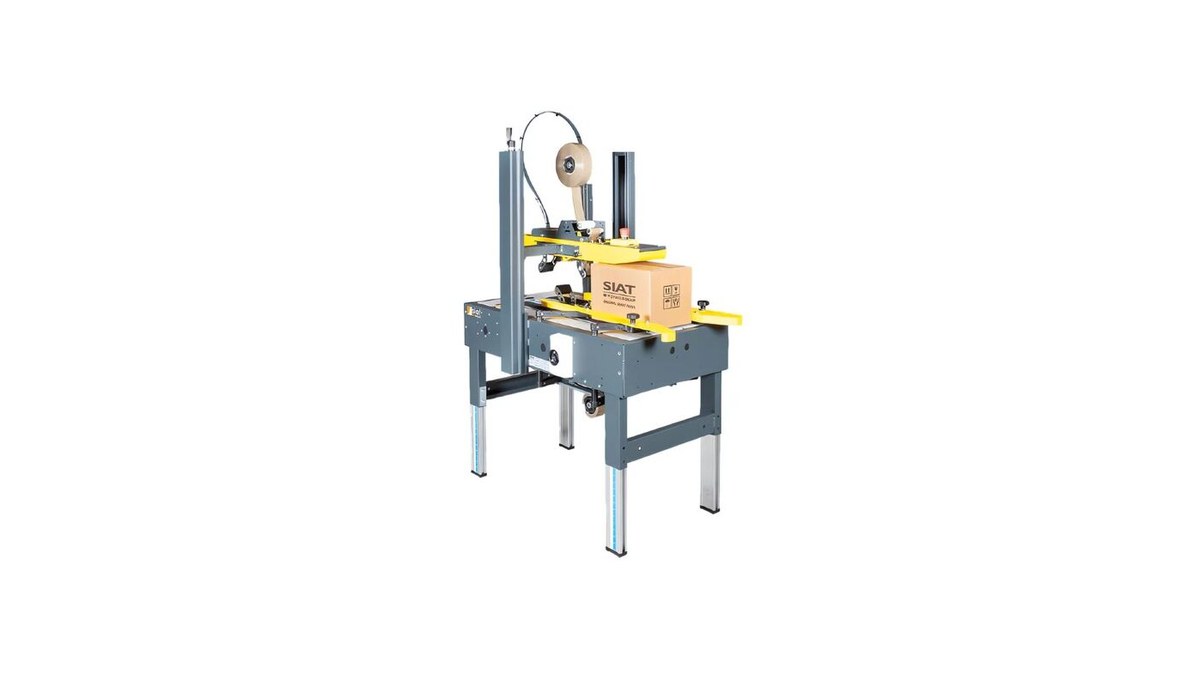
Where semi-automatic case tapers fit
Semi-automatic case tapers are usually selected where an operator packs the carton, folds the flaps and feeds the case into the machine. They reduce manual tape application, improve seal consistency and keep the packing station compact.
Useful buying checks
Confirm the smallest and largest case, the typical case weight, whether top and bottom sealing is required, and how operators will handle packed cases before and after sealing.
Common applications
Semi-automatic carton sealers are often useful for ecommerce dispatch, small manufacturing runs, contract packing jobs, food outer cases, cosmetics and personal-care cartons, sample production and seasonal packing peaks.
What to include in your enquiry
For the fastest recommendation, include carton dimensions, case weight, tape width, target output, photos of packed cases, whether cartons are uniform or mixed, and a basic line-layout sketch.
Related case taper options
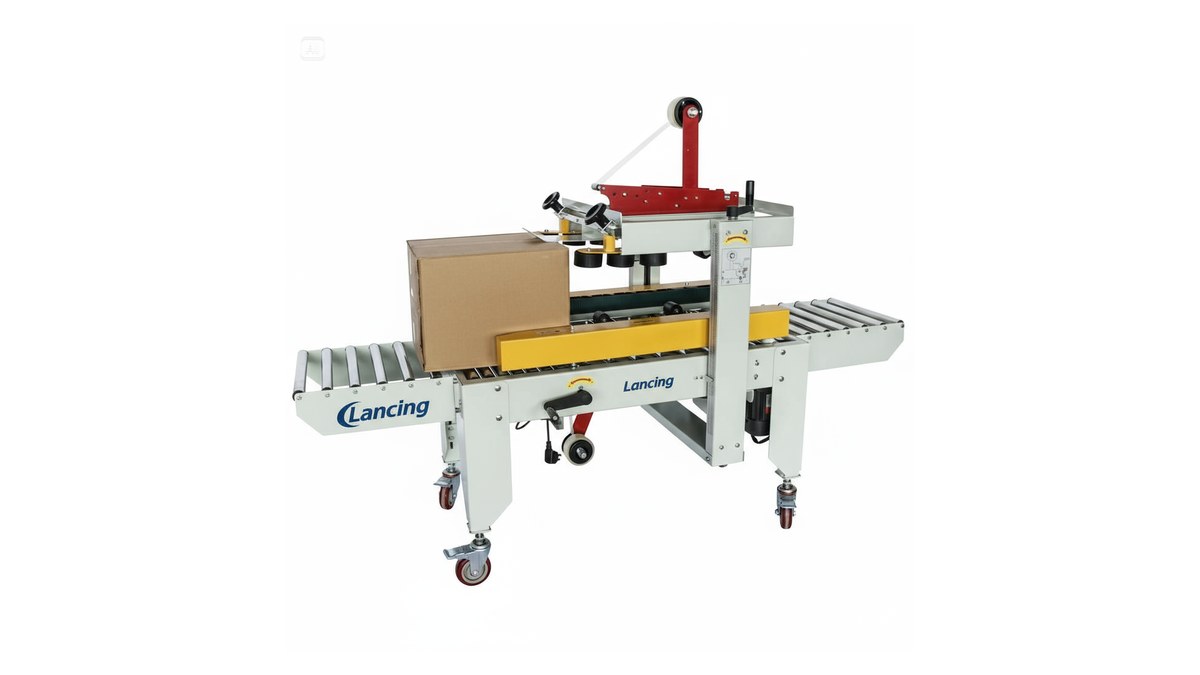
Uniform case tapers
Automatic case taping for repeated carton sizes on production runs.
- Same-size cases
- Top and bottom tape
- Good for fixed SKUs
View this machine →
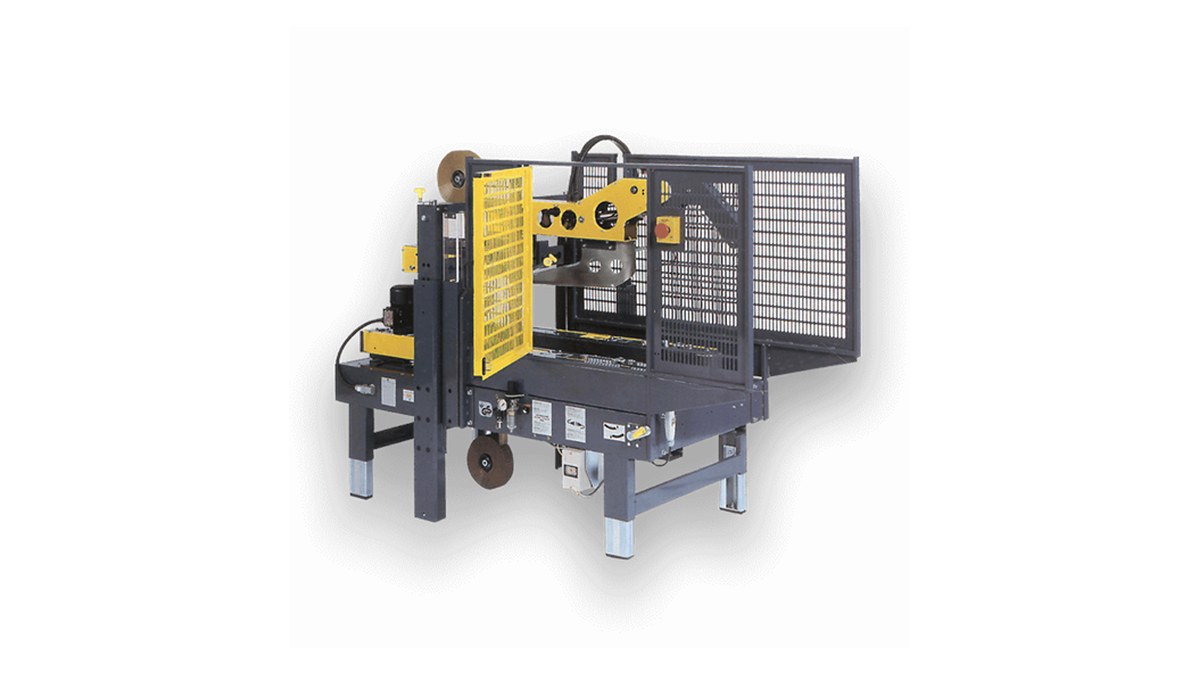
Random case tapers
Self-adjusting case sealing where mixed carton sizes move through the same line.
- Mixed box sizes
- Reduced manual adjustment
- Fulfilment and contract packing
View this machine →
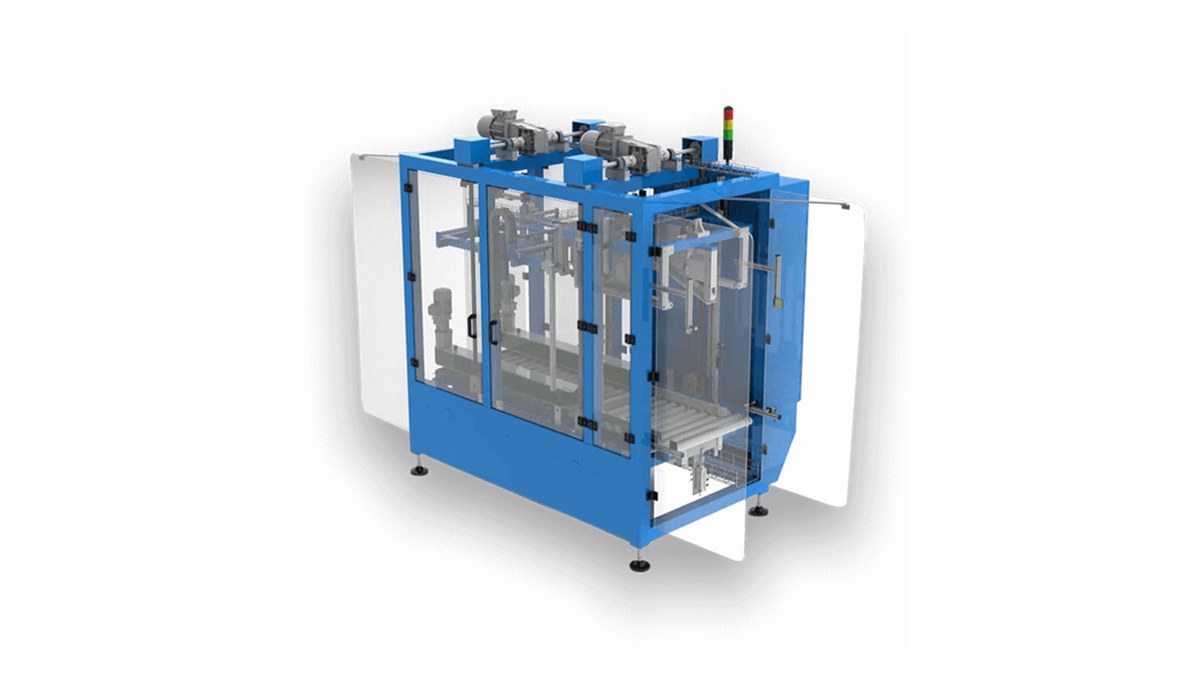
Carton sealing machines
Case sealers for pressure-sensitive tape, top-and-bottom sealing and end-of-line packing.
- Carton sealing
- Tape head support
- Line integration
View this machine →
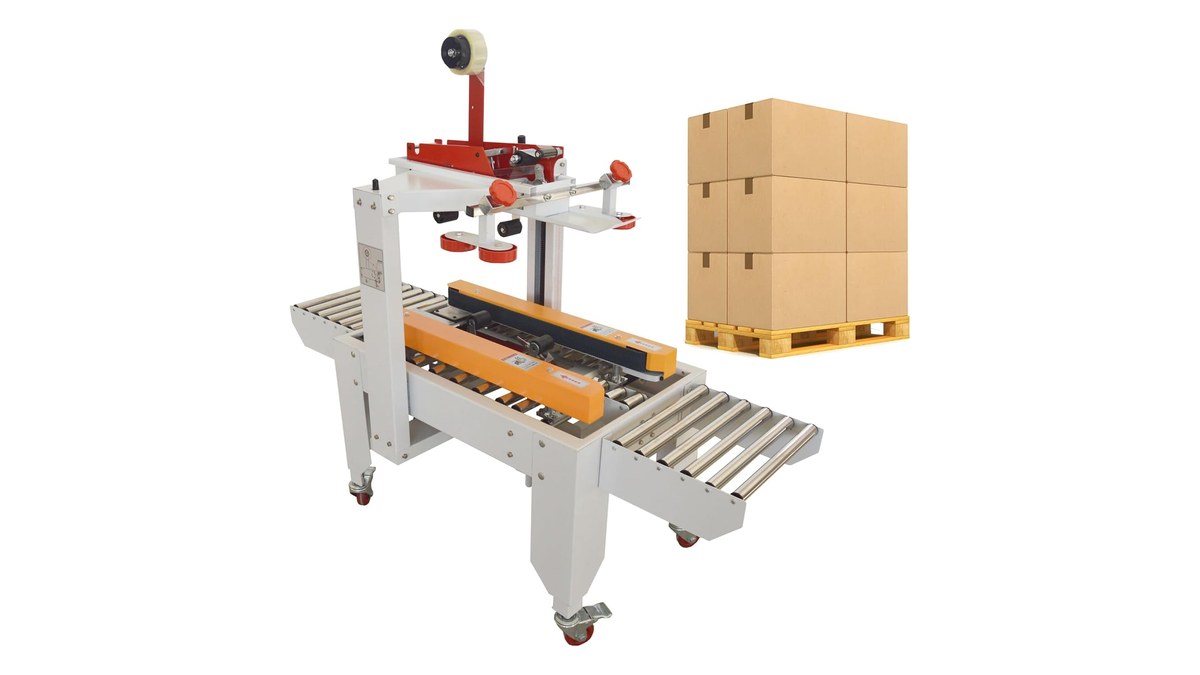
Box taping machines
Box tapers for ecommerce, fulfilment, distribution and manufacturing dispatch areas.
- Parcel lines
- Outer cases
- Distribution packing
View this machine →
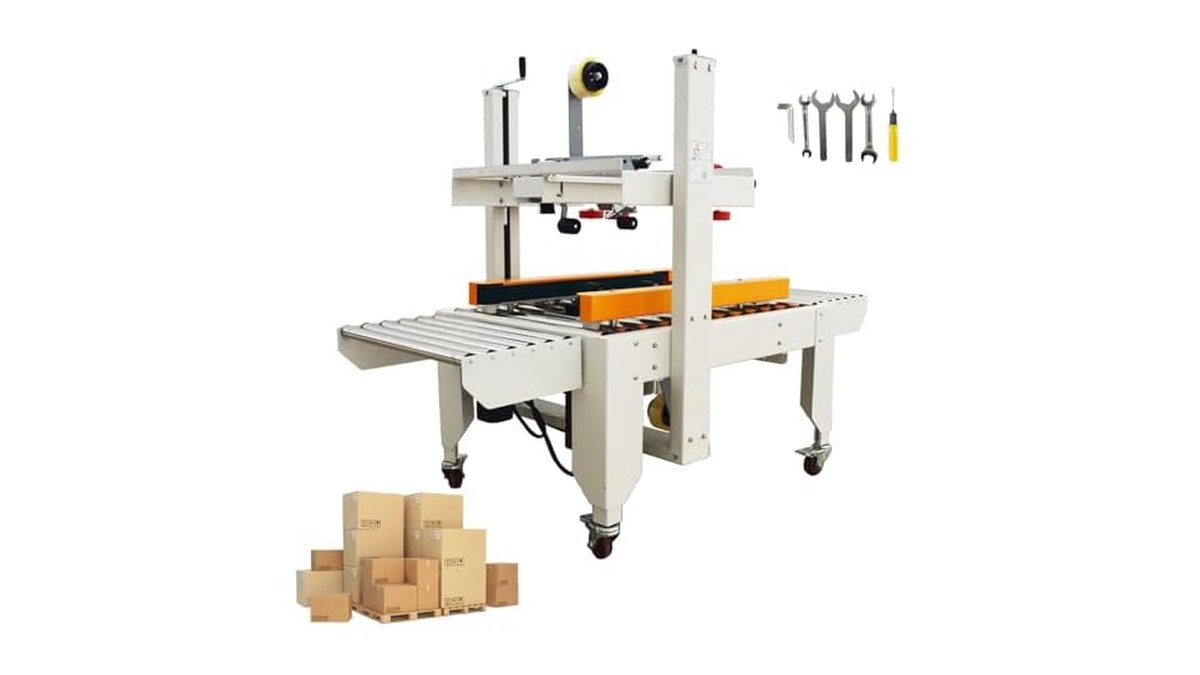
Service, spares and support
Help with specification, installation, tape heads, spares, change parts and maintenance.
- UK support
- Spares planning
- Aftercare
View this machine →
Common buyer questions
Is this the right machine for my cartons?
We check your carton dimensions, case weight, output, size variation, tape format and how each carton reaches the machine before recommending an option.
Can the machine seal both the top and bottom of the carton?
Many case tapers seal both the top and bottom centre seams. The exact machine should be checked against carton size, flap condition and your production method.
Can it be connected to conveyors?
Yes. Case tapers can often be planned with infeed and outfeed conveyors, packing benches and wider end-of-line equipment.
Semi-automatic case taper specification
Design the station around the operator, carton and next handling step.
A semi-automatic case taper removes repetitive tape application while the operator remains responsible for presenting the carton in the agreed condition.
Define the operator sequence
Document where the carton is erected, packed and checked, who folds the top flaps and how the case is pushed or released into the sealer. The station should minimise lifting, turning and reaching. Measure the packing bench and the position of inbound and outbound cartons before fixing the machine location.
Carton range and manual adjustment
Semi-automatic uniform machines are commonly adjusted for one carton size at a time. Record the smallest, largest and most frequent formats and how often changeovers occur. A wide theoretical size list is less useful than the real daily sequence and the time available to change the setup accurately.
Flap folding and case condition
The operator normally folds the top flaps before feeding the case unless a specific flap-closing option is selected. Overfilled cartons, springy flaps, weak board or cases that are not square can slow the process and affect tape position. Use filled samples during the review.
Output depends on the complete work cycle
The achievable rate is influenced by packing time, carton lifting, flap folding, case presentation, tape changes and removal from the outfeed. Measure the complete cycle during normal work and peak periods. This gives a more realistic basis than comparing machine feed speeds alone.
Top and bottom sealing
Confirm whether both centre seams need tape at the same station or whether the bottom is already sealed. Provide the actual tape width, roll and adhesive reference. A trial should check clean cutting, centring and wipe-down on the board used in production.
Space and transfer
Allow straight space before and after the machine so cartons can be introduced and removed without twisting. If the sealer will connect to powered conveying, confirm the line height and transfer arrangement through case taper line integration and the dedicated packaging conveyors site.
Maintenance and repeatable setup
Keep the tape path, blade area and rollers clean, inspect drive belts and guides and record approved settings for each regular carton. The model-specific manual should define maintenance and safe access.
Semi-automatic case taper specification questions
Who folds the carton flaps?
In a typical operator-fed arrangement, the operator folds the top flaps before presenting the carton. Confirm whether any flap-closing option is required.
Can the machine run different carton sizes?
Uniform machines can often be adjusted between sizes, but the confirmed range and changeover steps depend on the selected model and should be tested with samples.
How is output estimated?
Time the full packing cycle, including folding, feeding, tape changes and removing the sealed case. Operator method and surrounding layout can be more limiting than the sealer itself.
Is compressed air always needed?
No. Utility requirements depend on the selected machine and options. Confirm electrical and any pneumatic requirements from the final specification.
Can a semi-automatic sealer connect to conveyors?
Yes, where the transfer height, direction and control arrangement are planned correctly. Check the complete infeed and outfeed layout before installation.
What cartons should be trialled?
Use the smallest, largest, most common and least stable filled cartons, together with the actual production tape.