Changeover performance is more than adjustment time
A fast changeover that produces skewed cartons, wasted tape or repeated operator intervention is not controlled. The useful measure is the time from the last accepted carton of one format to the first accepted carton of the next, including safe preparation, adjustment, sample running, inspection and release. Record rejected samples and rework so improvements do not hide quality loss.
Create an approved format record
For each carton family, record the carton identifier, orientation, filled-case condition, tape specification and the settings that can be safely and accurately repeated. Depending on the selected machine, settings may include guide positions, drive contact, upper-head height, flap-control position or a stored recipe. Do not publish generic dimensions or setting values; they belong to the verified machine and carton combination.
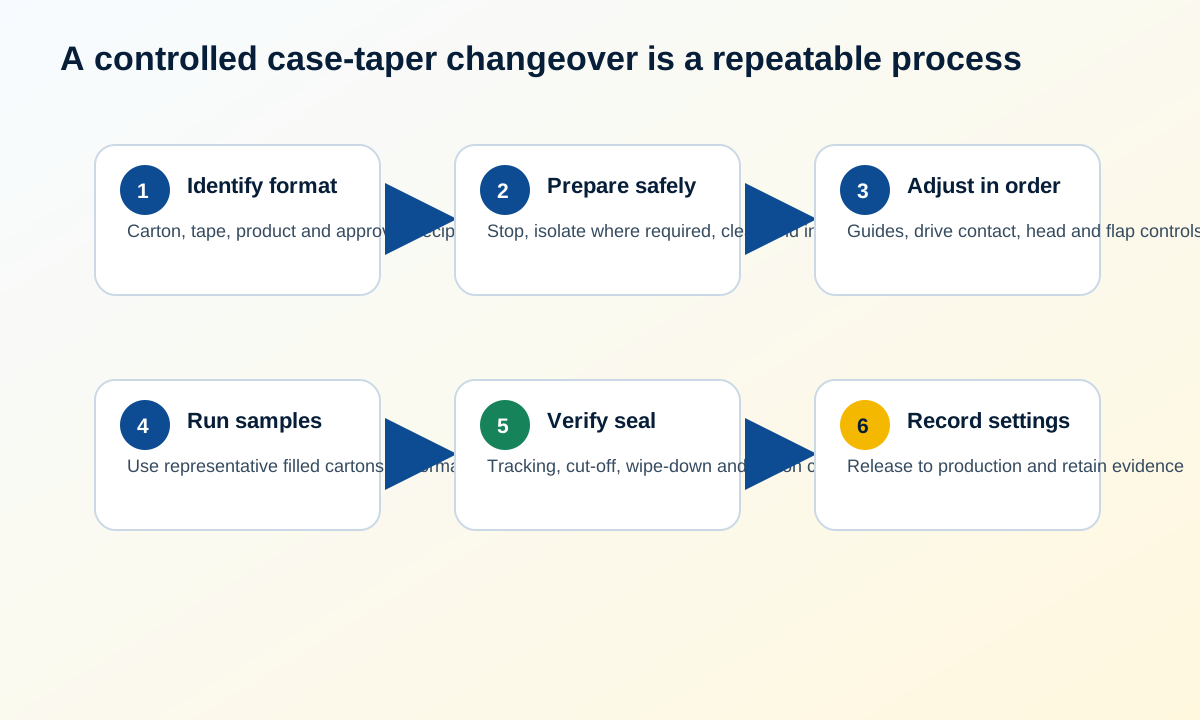
| Changeover stage | Operator action | Release evidence |
|---|---|---|
| Identify | Confirm the next carton, tape and approved format record. | Correct materials at the station and previous run closed. |
| Prepare | Stop and isolate where required; clean the sealing path and inspect obvious wear. | Safe, clear machine with no old carton or tape obstruction. |
| Adjust | Follow a defined order so one setting does not invalidate another. | Settings match the approved record and locks are secure. |
| Sample | Run representative filled cases in normal orientation and presentation. | Stable feed through the complete machine. |
| Verify | Inspect top/bottom seals, tracking, cut-off, wipe-down and carton condition. | Accepted reference sample and any rejects recorded. |
| Release | Return to the correct operating mode and communicate the change. | Format, time, operator and approved result are traceable. |
Uniform and random-size machines need different controls
A uniform case taper is normally set for one carton size at a time, so repeatable manual or recipe-based settings are central to changeover. A random case taper can adjust between mixed cartons during operation, but it still needs validated limits, stable carton presentation and control of abnormal formats. “Random” does not mean that any damaged, open or unstable carton should be accepted.
Use reference samples and visual standards
Keep an approved carton or a clear photograph showing the tape position, end-tab condition and acceptable panel marking. The first-off check should use the same criteria across shifts. If a carton fails, record the symptom rather than adjusting several settings immediately. The defect diagnosis guide gives a controlled route for isolating the cause.
Review repeated causes of lost time
Track where changeovers wait: unavailable cartons, missing tape, dirty guides, difficult access, unmarked adjustment points, unclear responsibilities or repeated first-off failures. Improvements may involve preparation outside the stopped period, clearer setting records, maintenance or a different machine concept. Compare the result with the random versus uniform case taper guide rather than assuming automation alone removes all format work.