Start with the finished carton
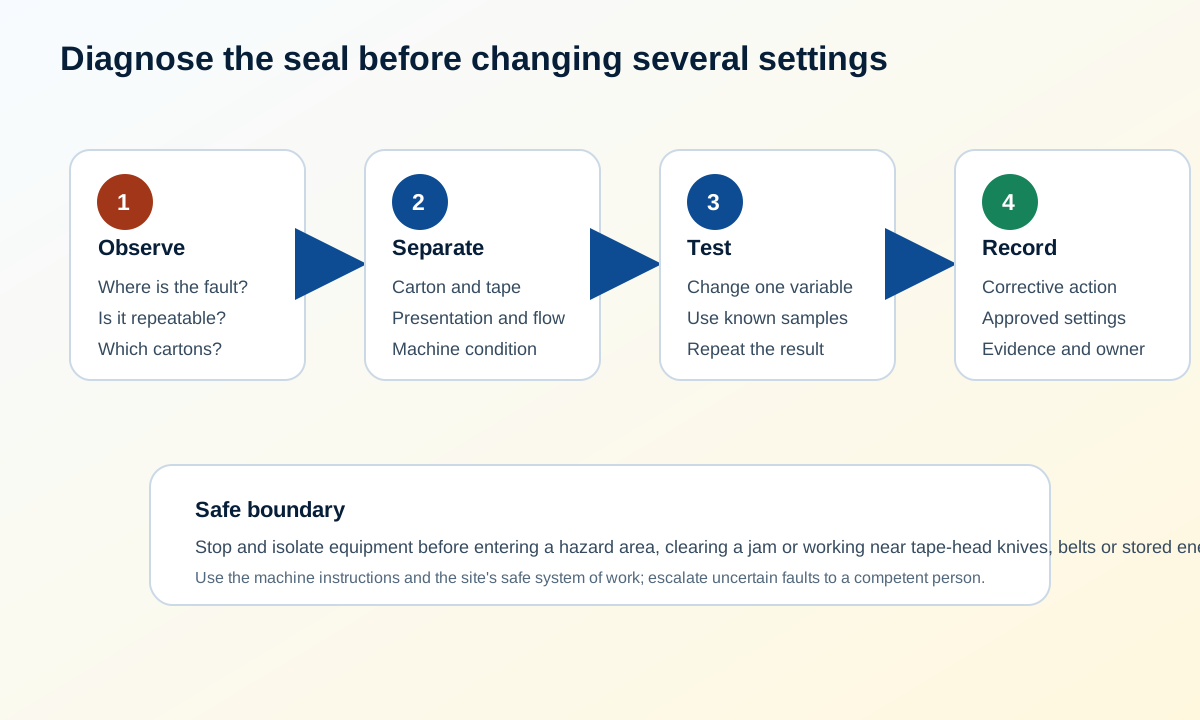
A useful diagnosis begins with the symptom and its location. Photograph the top and bottom seals, leading and trailing ends, carton entry orientation and any damaged panel. Record whether the problem affects every case, one format, one tape roll, one shift or only a particular environmental condition. This evidence is more useful than describing the machine as simply “not taping properly”.
Common symptoms and first checks
| Symptom | Evidence to collect first | Variables to separate |
|---|---|---|
| Tape off centre | Entry alignment, carton squareness and where drift begins. | Guide setting, belt contact, carton skew, head alignment and flap meeting point. |
| Tape lifts after application | Time to lifting, board surface, temperature, dust and tape identity. | Tape suitability, surface condition, wipe-down, flap tension and handling time. |
| Wrinkled or folded tape | Photograph the wrinkle direction and note when it appears. | Unwind, tape path, roller condition, application geometry and carton movement. |
| Short, long or inconsistent end tabs | Compare repeated cartons and leading/trailing ends. | Cut-off sequence, carton speed/spacing, knife action, tape tension and sample variation. |
| Tape not cut cleanly | Inspect the cut edge without reaching into the machine. | Blade condition, return action, adhesive build-up, tape construction and mechanism condition. |
| Carton crushed, marked or skewed | Locate contact marks and measure the filled-case condition. | Guide pressure, drive setting, soft panels, bulging contents, transfer and carton quality. |
Use a controlled test
Choose a known carton and tape combination, then repeat the run without changing multiple settings. If the fault is repeatable, alter one relevant variable and record the result. Swap to another carton from the same batch, then another tape roll if material variation is suspected. If the symptom moves with the material, preserve the original machine setting until the material issue is understood.
For intermittent problems, record time, format, operator, tape roll, environmental condition and the state immediately before the fault. A short video showing carton entry and exit can reveal skewing or spacing that is not visible in a still photograph. The carton-quality guide helps assess whether the case is entering the machine in a stable condition.
Know when to stop troubleshooting
Do not reach into moving equipment, defeat a guard or hold a switch to observe a fault. Stop and isolate the machine before clearing a jam or working near knives, belts, rollers or stored energy, following the machine instructions and the site's safe system of work. If the condition involves a safety device, unexpected movement, electrical work, damaged guarding or an uncertain mechanical failure, escalate it to a competent person.
Create a fault record that supports service
Include the machine identification, symptom, first occurrence, affected cartons, tape reference, photos, video, changes already made and whether the fault remains after a controlled sample test. This helps distinguish an application issue from a maintenance requirement and reduces repeated trial-and-error. Compare the evidence with the box sealing quality checklist and the case taper maintenance guide.