Carton sealing machines
Carton sealing machines for top and bottom case sealing
Case sealers for applying pressure-sensitive tape to corrugated cartons in production, contract packing, warehouse and fulfilment environments.
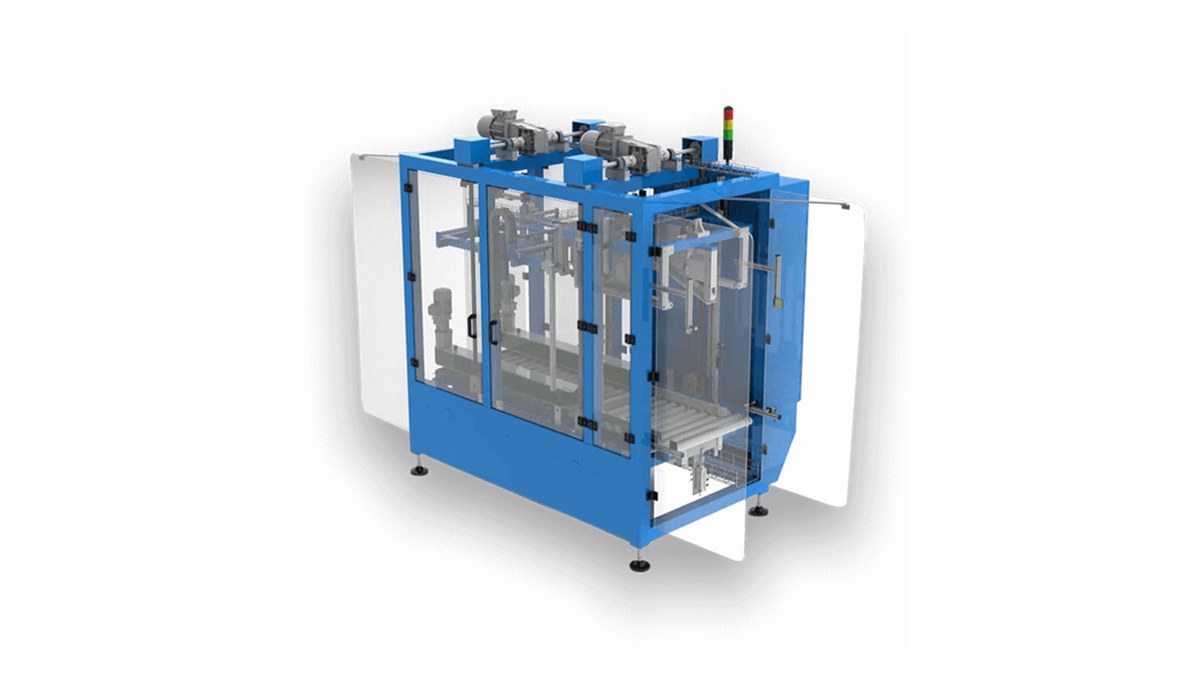
Carton sealing machine selection
A carton sealing machine should be selected around box size, board quality, case weight, tape width, tape type and whether operators or upstream equipment close the flaps.
Tape head and seal quality
Consistent sealing depends on tape-head condition, wipe-down pressure, carton squareness and tape compatibility with the board surface and environment.
End-of-line planning
Carton sealers can be used as stand-alone machines or connected to conveyors, case packing stations, labelling, checkweighing and palletising areas.
What to include in your enquiry
For the fastest recommendation, include carton dimensions, case weight, tape width, target output, photos of packed cases, whether cartons are uniform or mixed, and a basic line-layout sketch.
Related case taper options
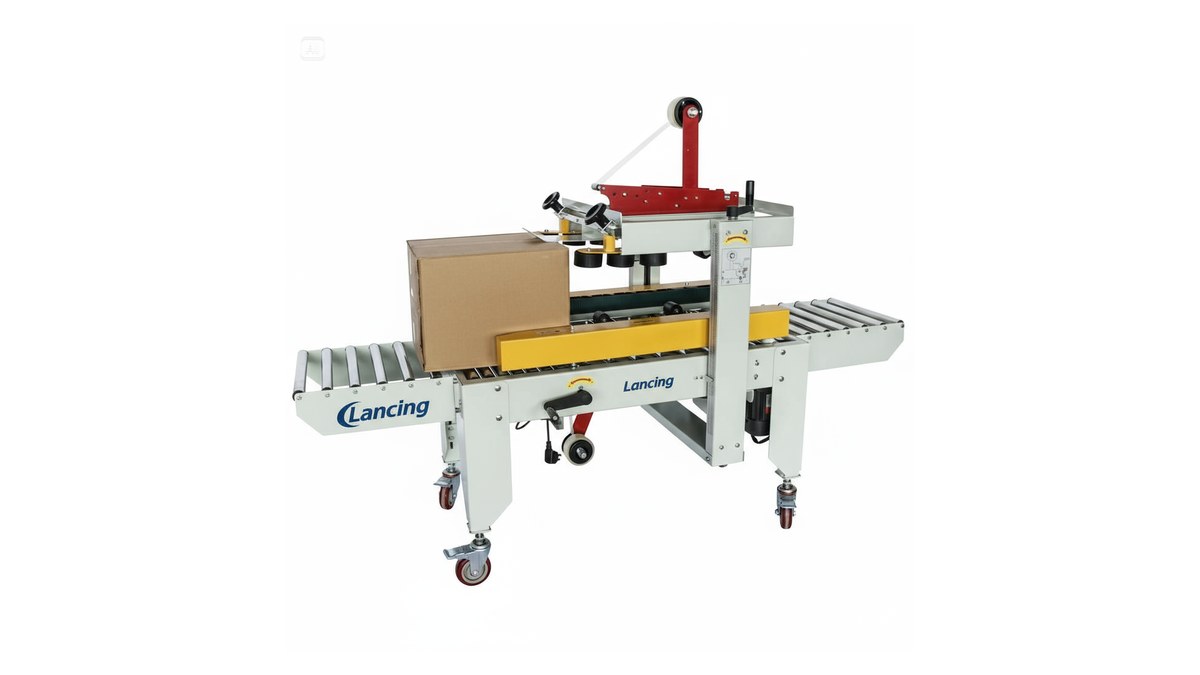
Uniform case tapers
Automatic case taping for repeated carton sizes on production runs.
- Same-size cases
- Top and bottom tape
- Good for fixed SKUs
View this machine →
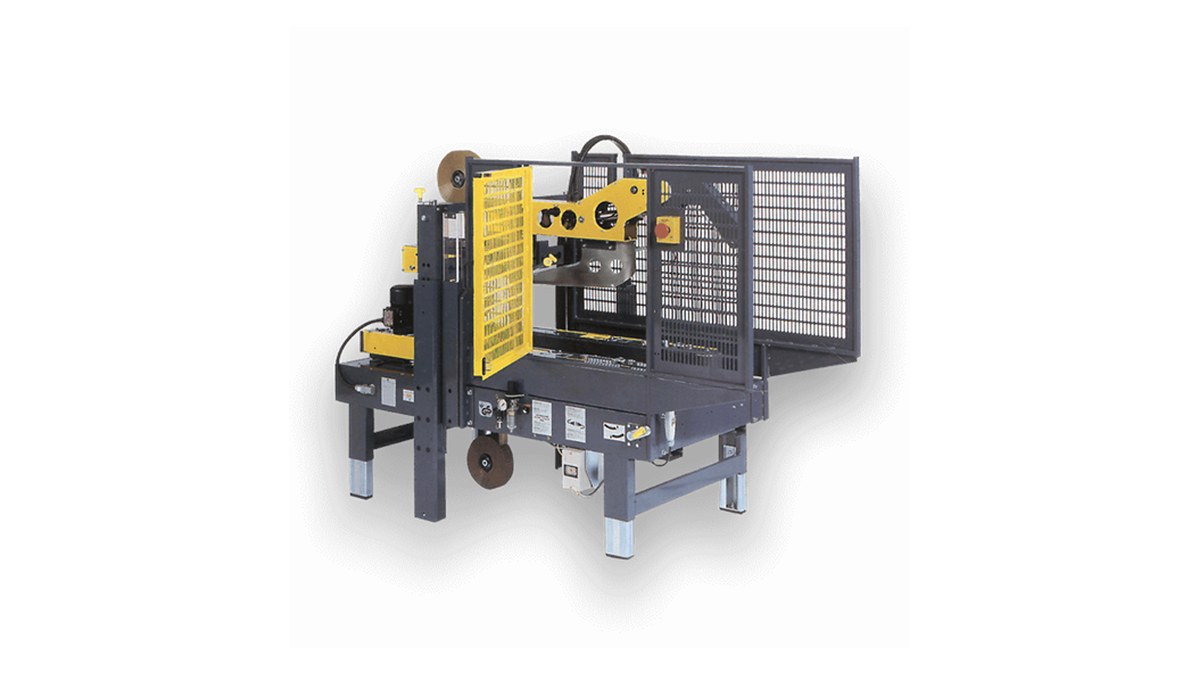
Random case tapers
Self-adjusting case sealing where mixed carton sizes move through the same line.
- Mixed box sizes
- Reduced manual adjustment
- Fulfilment and contract packing
View this machine →
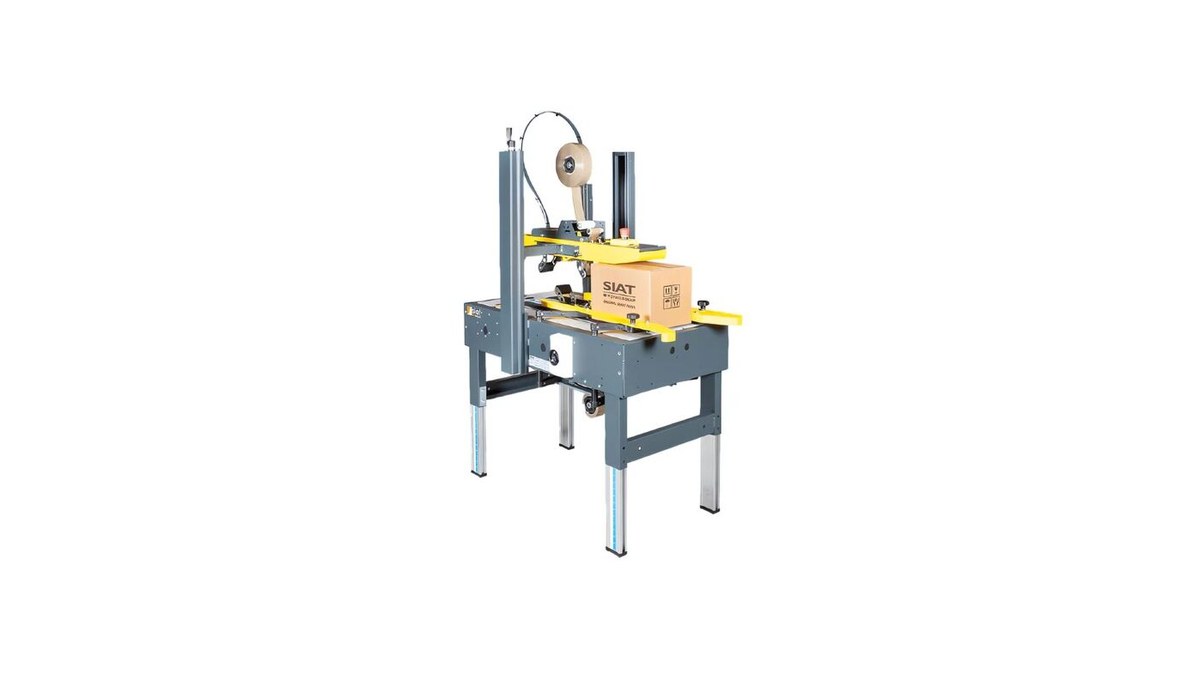
Semi-automatic case tapers
Operator-fed carton tapers for packing benches, batch work and controlled manual packing.
- Lower capital cost
- Compact footprint
- Operator-paced output
View this machine →
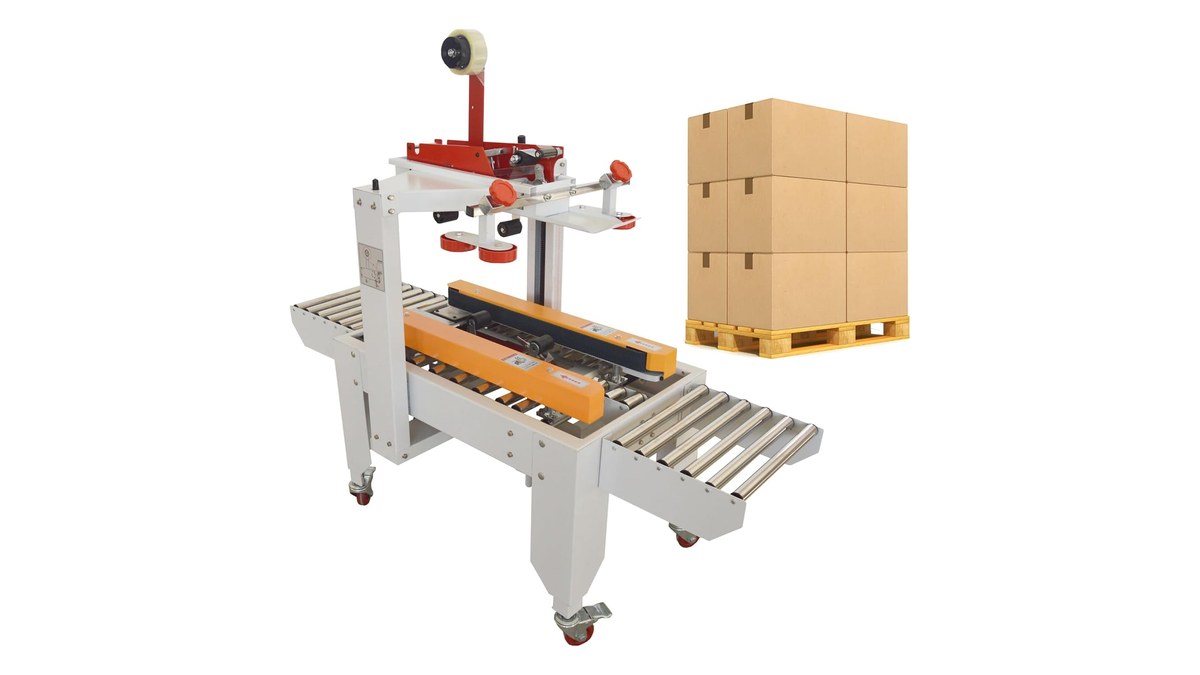
Box taping machines
Box tapers for ecommerce, fulfilment, distribution and manufacturing dispatch areas.
- Parcel lines
- Outer cases
- Distribution packing
View this machine →
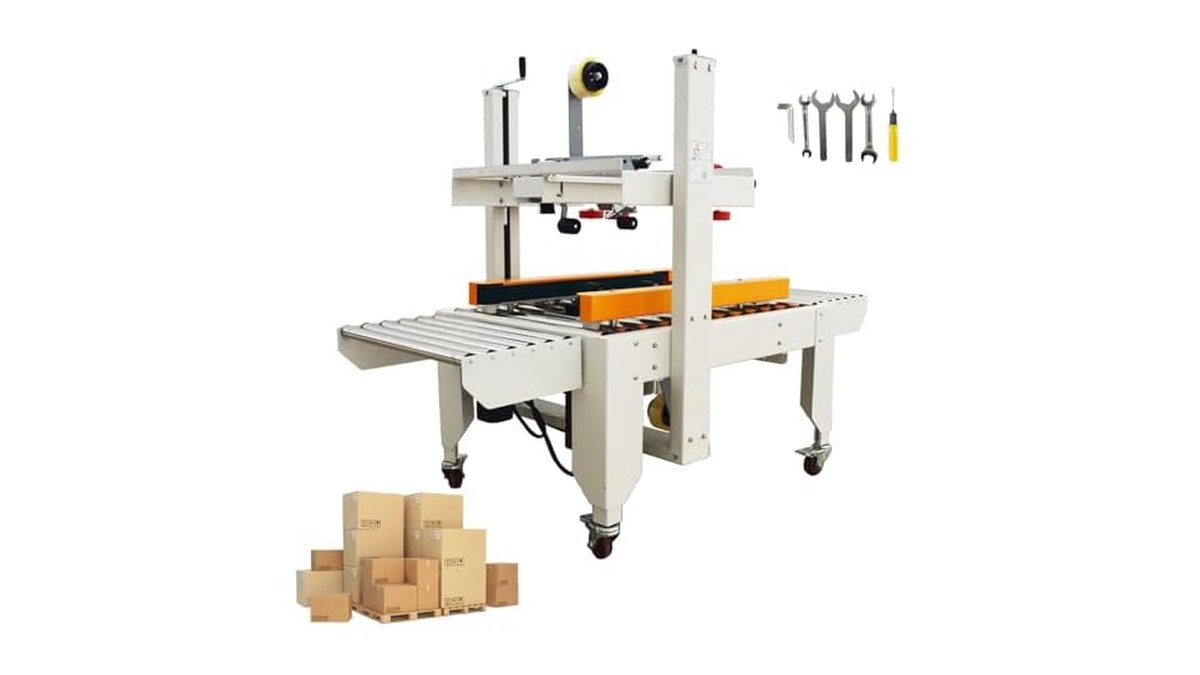
Service, spares and support
Help with specification, installation, tape heads, spares, change parts and maintenance.
- UK support
- Spares planning
- Aftercare
View this machine →
Common buyer questions
Is this the right machine for my cartons?
We check your carton dimensions, case weight, output, size variation, tape format and how each carton reaches the machine before recommending an option.
Can the machine seal both the top and bottom of the carton?
Many case tapers seal both the top and bottom centre seams. The exact machine should be checked against carton size, flap condition and your production method.
Can it be connected to conveyors?
Yes. Case tapers can often be planned with infeed and outfeed conveyors, packing benches and wider end-of-line equipment.
Carton sealing specification
Control the tape path, board condition and case presentation as one system.
A carton sealing machine can only produce a consistent result when the tape, carton surface, flap position and tape-head condition are compatible.
Pressure-sensitive tape and board compatibility
Provide the actual tape roll or its full reference, including width, backing and adhesive type. State how tape is stored and whether cartons are cold, dusty, coated, recycled or exposed to moisture. Adhesion should be checked on production board under representative conditions.
Top and bottom centre seams
Confirm whether both seams are sealed at the same station and whether the bottom is already closed by hand or a case erector. The carton should remain square so the tape tracks centrally over the seam. Overfilled cases or flaps that do not meet correctly can prevent a repeatable seal.
Tape-head operation
The tape head presents the tape, applies it to the leading panel, wipes it across the seam, finishes it on the trailing panel and cuts it. Blade condition, roller movement, spring tension, tape loading and adhesive build-up affect the result. Use the machine manual and tape-head support for model-specific work.
Seal-quality acceptance
Agree what will be inspected: tape centring, clean cut, full contact to both flaps, consistent leading and trailing application, no lifted edges and no carton damage. Photograph approved samples for reference during operator checks and future service calls.
Carton feed and guides
Drive belts and guides should move the case without skewing or excessive pressure. Lightweight, narrow, tall or heavy cartons may need different support. Trial the least stable case as well as the common format.
Machine type and integration
Use a semi-automatic machine for operator-fed work, an automatic uniform sealer for repeated inline formats or a random machine for mixed sizes. Confirm conveyor level, transfers and downstream labelling or palletising before installation.
Routine care
Keep adhesive and cardboard dust away from the tape path, inspect the blade and wipe-down rollers and monitor belts and guides. Maintenance frequency should reflect actual use and the selected machine manual.
Carton sealing machine specification questions
Can one tape work on every carton board?
No. Adhesive performance depends on tape construction, board surface, dust, temperature and storage. Test the intended tape on production cartons.
Why does tape run off the centre seam?
Possible causes include skewed case entry, guide setup, tape-head alignment, unstable cartons or worn components. Record the symptom before adjusting several items.
Should the bottom be sealed at the same time as the top?
That depends on how the case is erected and presented. Confirm whether the bottom is already secure or requires a lower tape head at the sealing station.
How is the correct tape width chosen?
Use the selected tape head and machine specification together with the carton seam and board. Send the actual tape requirement rather than assuming a universal width.
What causes poor tape cutting?
Adhesive build-up, incorrect loading, a damaged blade or worn tape-head parts are common possibilities. Follow the machine manual and isolate the equipment before service work.
Can a carton sealer be added to an existing conveyor?
Often yes, provided height, direction, transfer, controls, case spacing and available straight length are confirmed.