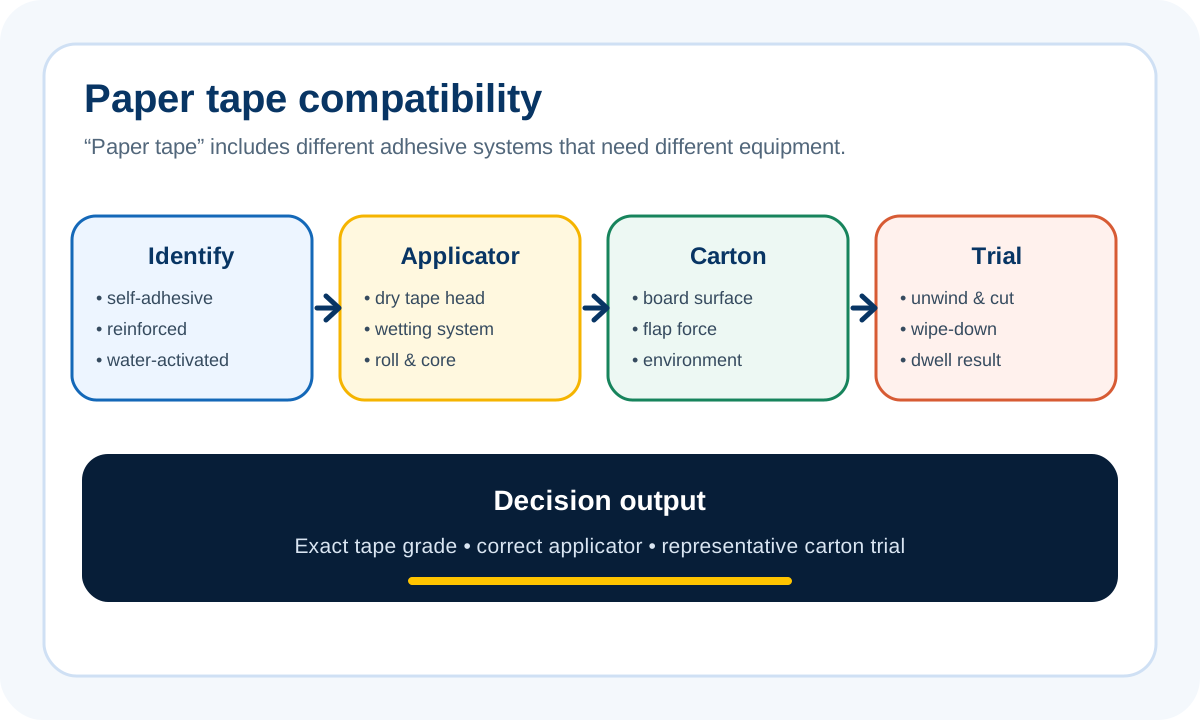
A case taper may use paper tape only when the specific tape and applicator are compatible. Self-adhesive, pressure-sensitive paper packaging tape can sometimes run through a conventional tape head if its width, roll, core, unwind, backing strength and adhesive behaviour suit that head. Water-activated or gummed paper tape needs moisture activation and a purpose-designed dispenser or case-sealing system; it is not a direct substitute for pressure-sensitive tape.
What types of paper tape are used for carton sealing?
| Tape family | How the adhesive is activated | Case-taper implication |
|---|---|---|
| Pressure-sensitive paper tape | The adhesive is tacky at normal conditions and bonds when the tape is pressed onto the carton. | May suit a compatible pressure-sensitive tape head, subject to the tape maker’s automatic-application rating and a machine trial. |
| Reinforced pressure-sensitive paper tape | Pressure activates the adhesive; reinforcement changes tear and cutting behaviour. | Requires confirmation that the backing can track, cut and wipe down consistently without damaging the tape head or carton. |
| Water-activated gummed tape | Water wets and activates the adhesive before it contacts the corrugated board. | Needs a water-activation and dispensing system. A standard dry pressure-sensitive tape head cannot provide that process. |
Why is paper tape not a simple material swap?
The tape head controls unwind, tension, tracking, application, wipe-down and cut-off. Changing backing material can change stiffness, tear resistance, dust generation, sensitivity to humidity, braking behaviour and the force needed for a clean cut. Reinforcement may also affect blade life and the appearance of the cut edge. Even when the width is correct, the new tape may not behave like the existing film tape.
Use the exact production roll in the trial. A short hand-applied strip does not prove that a long machine roll will unwind, track and cut reliably through repeated carton cycles.
What should be checked before using self-adhesive paper tape?
- Automatic-application approval: check the tape manufacturer’s data for machine use rather than assuming every paper tape is suitable.
- Width, roll and core: confirm the full roll geometry against the selected tape head.
- Unwind and brake behaviour: the roll must release consistently without tearing, telescoping or excessive resistance.
- Cut-off: the backing and any reinforcement must produce a repeatable cut under normal service conditions.
- Carton surface: recycled fibre, dust, coating, cold board and moisture can change the bond.
- Flap force: spring-back or an overfilled case can load the tape before the adhesive has stabilised.
- Handling after sealing: include immediate transfer, stacking and the real dwell time before dispatch.
How is water-activated tape different?
Water-activated tape uses an adhesive that must be moistened before application. The dispenser therefore has to meter tape, wet the adhesive and control application. Some systems are bench dispensers and some are integrated case-sealing machines, but the water stage remains part of the process. When comparing options, include water quality, reservoir cleaning, warm-up or conditioning needs, tape replenishment, reinforcement, seal pattern and maintenance responsibilities.
A project that specifically requires water-activated tape should be stated at enquiry stage so the equipment route is selected around that process rather than around a conventional pressure-sensitive tape head.
Does paper tape automatically make a carton recyclable?
No single appearance-based claim is sufficient. Tape construction, reinforcement, adhesive, ink, silicone release coating, the amount used, the carton material and the receiving recycling system all matter. Use the tape supplier’s current technical and recyclability evidence and confirm the position with the relevant waste or recycling route. Lancing can review machine application, but should not replace the tape manufacturer or recycler as the evidence owner for environmental claims.
How should paper tape be trialled on a case taper?
- Identify the exact tape grade and whether it is pressure-sensitive or water-activated.
- Record width, roll length, diameter, core, reinforcement, unwind direction and storage condition.
- Use normal filled cartons from the real board supply.
- Run repeated top and bottom seals, tape changes and normal stop/restart events.
- Inspect tracking, wrinkling, cut-off, wipe-down, end tabs and carton fibre response.
- Check immediate handling and the condition after the intended dwell and storage period.
- Document accepted combinations rather than approving “paper tape” as a generic category.
Technical references for paper carton-sealing tapes
Current manufacturer information shows that some self-adhesive paper packaging tapes are designed for carton sealing and that individual grades may be rated for automatic dispensers. Water-activated tape uses dedicated dispensing equipment with a wetting stage, as illustrated by 3M’s water-activated tape dispenser documentation. Always use the current data for the exact grade being proposed.