Service & aftercare
Case taper service, spares and support
Keep your case taper running reliably with support for installation, operator handover, tape heads, spare parts and maintenance planning.
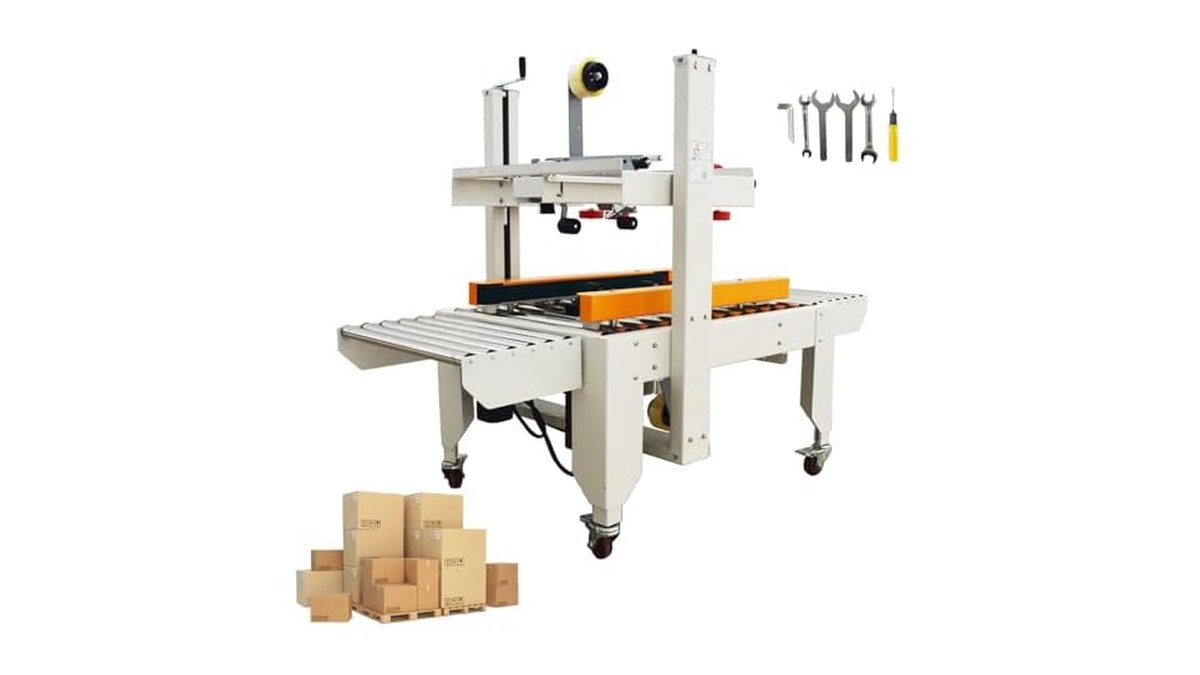
Choose with confidence
We check carton dimensions, throughput, line layout and packing method so you buy equipment that suits the job.
Prepare your line
We help confirm conveyor height, line direction, floor space and operator access before the machine arrives.
Operator handover
Your operators get practical guidance on adjustment, tape loading, safe operation, format checks and basic daily inspection.
Tape heads and wear parts
Keep tape application reliable with the right blades, rollers, springs, belts and common wear items available when needed.
Maintenance routines
Simple maintenance checks help protect tape-head condition, belt tracking, guide settings, cleaning standards and seal quality.
Future carton changes
When your cartons or packing line change, we can help review the setup before it causes avoidable downtime.
Aftercare keeps your packing line moving
A case taper is a dependable machine when it is set up and maintained correctly. Good adjustment, tape-head condition, tape choice and carton presentation help prevent small issues from turning into daily packing delays.
Service planning
Give the service team enough evidence to separate setup, consumable and mechanical faults.
Many sealing problems look similar at the finished carton. Machine identity, tape details, photographs and a short operating video help narrow the likely cause before parts are ordered.
Identify the machine and tape head
Send the machine make, model, serial number and clear photographs of the complete machine, data plate and tape head. If the data plate is missing, include measurements and photographs of the mounting points, blade area, rollers and tape path. Do not order a blade or spring from appearance alone where several tape-head versions may exist.
Describe the fault on a sealed carton
Show the top and bottom seams, tape start and finish, cut edge and any wrinkling, lifting or off-centre application. State whether the fault happens on every case, one size only, after a tape change or only at higher output. This helps distinguish tape adhesion, setup, carton presentation and worn-part issues.
Check the process before replacing parts
Confirm the tape is loaded through the correct path, the roll turns freely, guides are aligned and cartons enter squarely. Adhesive build-up, cardboard dust, a changed tape specification or a new carton board can create symptoms that resemble a mechanical failure. Follow the machine manual and site isolation procedure before accessing blades or driven areas.
Plan wear parts around usage
Blades, rollers, springs, belts and guides are common inspection points, but the correct spare depends on the installed machine. A useful spares list records part numbers, quantity on site, lead time and the consequence of failure. Busy dispatch or production lines may justify holding critical items locally.
After a repair
Run the smallest, largest and most common cartons with the normal tape. Check feed, centring, cut quality and transfer to the next conveyor. Record the final settings so operators can restore the approved setup after future changeovers.