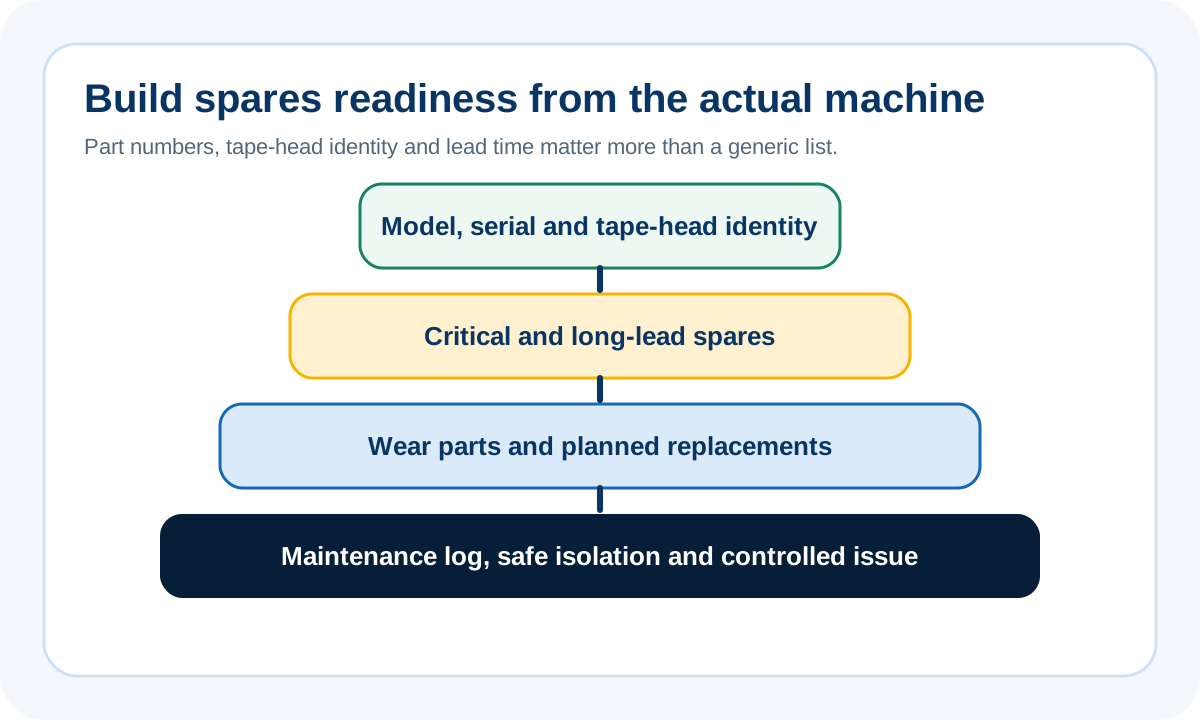
A dependable case taper spares plan starts with exact machine and tape-head identification, then classifies parts by wear, consequence of failure, lead time and commonality. Record the model, serial number, tape-head type and approved part numbers before buying stock. A generic list can create false confidence if the stored component does not fit the installed machine.
What information is needed before ordering spares?
Capture the machine manufacturer or Lancing reference, model, serial number, build or revision details, electrical supply, tape-head identity and any fitted options. Photograph data plates and the part in position. For belts, rollers, blades, springs, sensors and pneumatic or electrical components, use the machine documentation or confirmed parts record rather than measuring or substituting casually.
How should case taper spares be classified?
| Class | Decision basis | Typical control |
|---|---|---|
| Routine wear | Expected consumption or deterioration identified by the machine instructions and service history. | Planned inspection, minimum stock and recorded replacement. |
| Critical | A single failure stops production or removes a required safety or quality function. | Verified part number, controlled storage and defined escalation. |
| Long lead | Replacement time is longer than the operation can reasonably tolerate. | Stock or an agreed supplier response based on production consequence. |
| Common | The same verified component is used across several installed machines. | Central stock with issue records and compatibility control. |
| Insurance spare | Failure is unlikely but the consequence and replacement lead time are high. | Management decision supported by risk, cost and obsolescence review. |
Exact quantities cannot be standardised without the installed machine, duty, parts lead time and site tolerance for downtime.
What should be recorded when a part is replaced?
Log the date, machine hours or production context if available, symptom, diagnosis, part number, reason for replacement, person completing the work and confirmation result. Keep failed parts where investigation is needed. A recurring part replacement may indicate alignment, contamination, setting, carton presentation or another root cause rather than normal wear.
How should spares be stored and controlled?
- Protect blades, rollers, belts, seals, sensors and electrical items from damage, contamination and unsuitable storage conditions.
- Keep labels and part numbers readable; do not mix visually similar components.
- Use first-in, first-out where shelf life or material ageing matters.
- Control issue and replenishment so an empty location is not discovered during a breakdown.
- Review stock after machine modifications, tape-head changes or obsolescence notices.
- Keep safety-related components under the site's engineering and change-control process.
How do spares and maintenance planning work together?
Condition checks and replacement history show which parts are genuinely needed. Use the case taper maintenance guide and maintenance schedule to connect cleaning, inspection and wear evidence to stock decisions. The tape-head guide explains why tape-head identification is essential before ordering.
What are the safety requirements for maintenance?
Maintenance must be planned and carried out safely by competent people using the machine instructions. In the UK, the Health and Safety Executive explains that work equipment must be maintained in a safe condition and that maintenance operations need safe isolation and control of stored energy. See the HSE guidance on maintenance of work equipment and inspection of work equipment. Site-specific risk assessment and the actual machine documentation remain essential.