What the fault normally shows
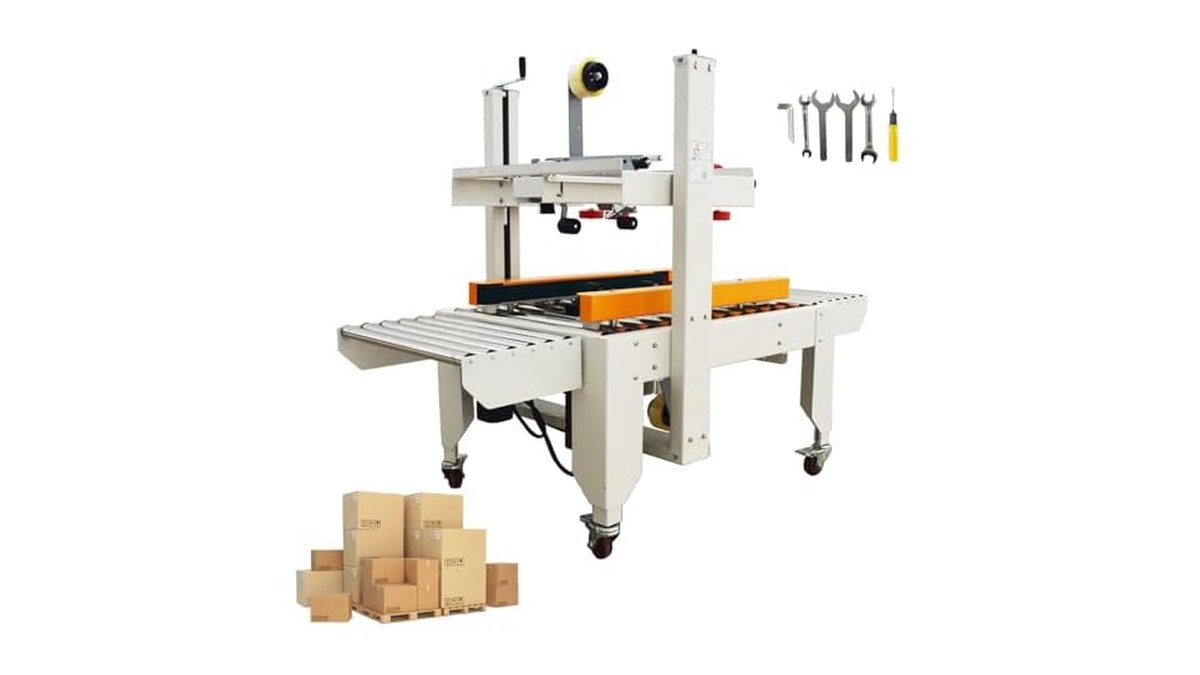
Case Taper Relocation and Setup is usually noticed when a machine is being moved to a different line, building or packing area. The first checks should look at the tape head, carton presentation, drive belts, guides and the condition of wear parts.
Information that helps service support
Useful details include machine access, new floor space, services, carton flow and operator handover. Photos or a short video of the fault often make it easier to identify whether the issue is adjustment, wear, tape quality or machine condition.
Keeping the machine reliable
Regular inspection of tape heads, blades, belts and rollers helps prevent small issues turning into dispatch delays. Operator training is also important because many tape application issues start with loading, adjustment or cleaning routines.
Questions to ask before requesting a quote
Before requesting a quote for case taper relocation setup, check whether the same operator will close flaps, whether cartons arrive square, how boxes are moved after sealing and whether the machine needs to fit into an existing conveyor or bench layout. Clear answers help avoid overspecifying the machine or missing an important support requirement.
Why carton samples matter
A sample carton tells more than a broad description. The board quality, fold memory, filled weight and seam position all affect how a case taper handles the box. If the site uses several carton sizes, send the smallest, largest and most common cases so the recommendation covers the real operating range.
Next step
For practical advice, compare the case taper machine range, read the buyer guide or send carton details through the quote form.