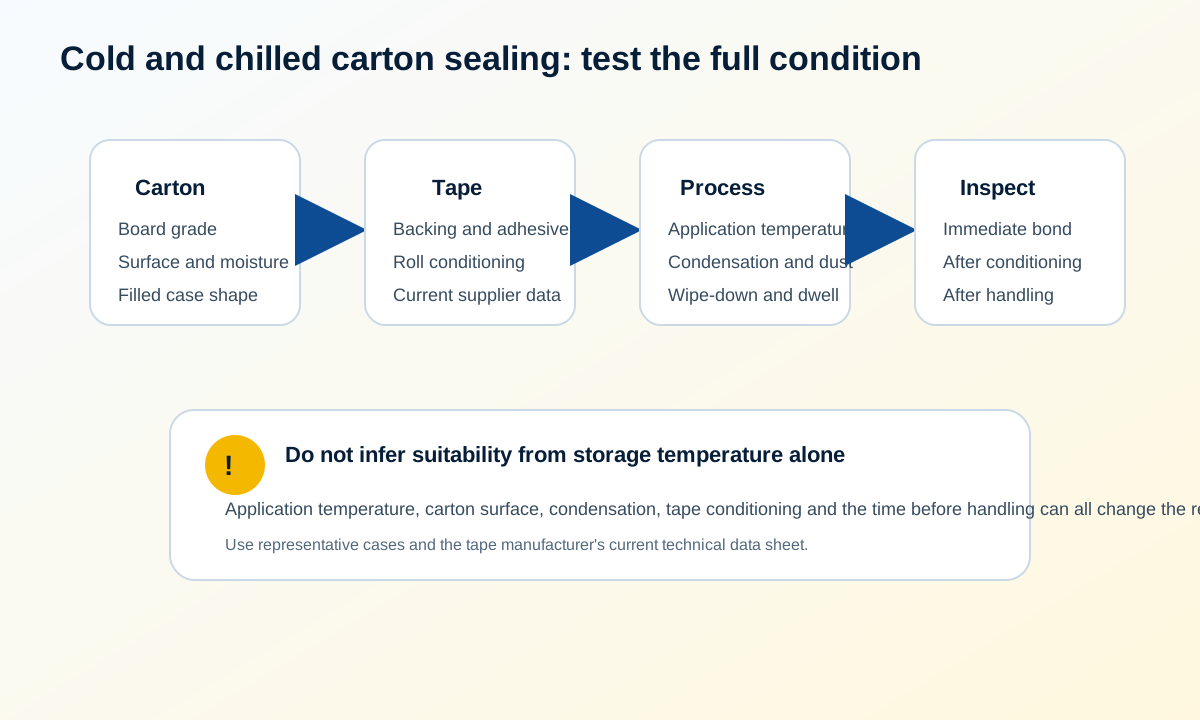
Application temperature and storage temperature are different questions
A tape may be stored, applied and later transported through different temperatures. The critical application condition is the temperature and surface state when the tape first contacts the carton. Adhesive performance can also be affected by condensation, dust, board coating, recycled fibres, flap tension, pressure and the time between sealing and handling. A cold-room project therefore needs a process trial, not a decision based on one temperature figure.
Map the carton journey
Record where cartons and tape rolls are stored, how long they are conditioned, the temperature and humidity at the sealing point, whether filled cases arrive colder than the room and how quickly they move to handling, palletising or frozen storage. Identify any warm-to-cold or cold-to-warm transition that can create condensation. Use the tape manufacturer's current technical data sheet to check application and service conditions for the actual product.
| Trial variable | What to keep traceable | What to inspect |
|---|---|---|
| Carton | Board source, grade, surface, fill and conditioning history. | Moisture, stiffness, flap meeting point and surface cleanliness. |
| Tape | Product code, batch/roll, width and conditioning. | Unwind, cut-off, initial contact and lifting edges. |
| Application | Room and carton condition, setup, speed/flow and wipe-down. | Tracking, end tabs, wrinkles and full contact to both flaps. |
| Post-seal handling | Time before movement, route, stacking and storage transition. | Seal after the agreed dwell, handling and conditioning period. |
Use a representative conditioning matrix
Test the combinations that production will actually create. These may include tape and cartons conditioned in the packing area, cold cartons entering a warmer room, or cases sealed before moving into colder storage. Do not invent a generic pass temperature. Agree the conditions from the product process and the tape data, then label samples so results can be linked to the correct condition.
Inspect more than immediate tack
Record the seal immediately after application and again after the agreed handling or storage interval. Check whether the tape remains centred, fully wiped down and bonded at the leading and trailing ends. Inspect board fibre tear, lifting, edge contamination and any effect of condensation. If a seal fails, change one variable at a time and compare with a known control sample.
Protect machine reliability in cold or wet conditions
Condensation and temperature changes may also affect sensors, controls, moving parts and maintenance practice. The selected machine, electrical equipment and cleaning method must be reviewed for the actual environment. Tape rolls should be stored and conditioned in accordance with their supplier's instructions. Operators need a clear rule for rejecting wet, frosted or contaminated sealing surfaces rather than trying to compensate with machine pressure alone.
Use the tape selection guide and carton quality guide to build the sample matrix. Where a fault appears only after sealing, the defect diagnosis guide helps retain the evidence needed for review.