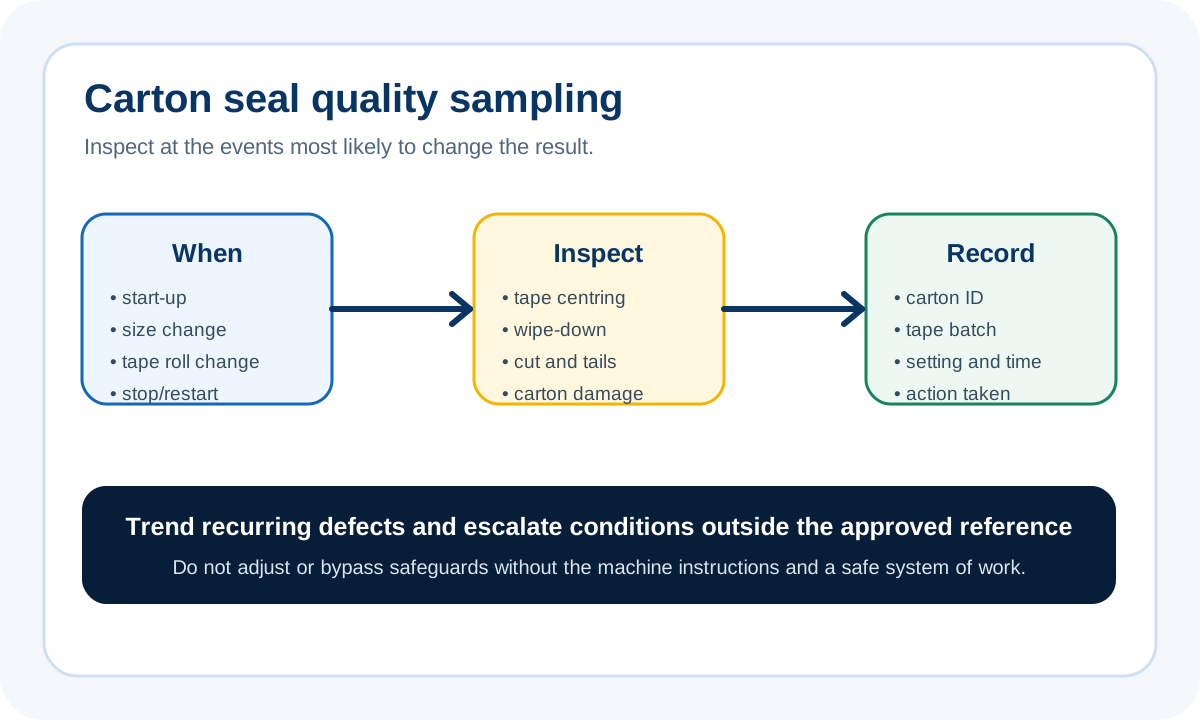
A carton seal quality sampling plan should define the events that trigger a check, the visible features to inspect and the evidence recorded for every exception. Sample at start-up and after changes that may affect the seal, then use a risk-based routine interval. Link each result to the carton, tape, setting and operating condition so recurring faults can be traced.
What does an acceptable carton seal look like?
Agree a reference using representative cartons and the actual tape. Check the top and bottom seams where applicable. The tape should follow the intended seam, be wiped onto both flaps, cut cleanly and land on the agreed end-panel areas without folding back. The carton should leave without unacceptable crushing, scuffing, flap separation or interference with required labels and codes.
The exact tape position and acceptance limits depend on the carton, tape head and machine configuration. Use approved samples and photographs rather than inventing one generic dimension for every case taper.
When should seals be sampled?
| Trigger | Why check now | Evidence to keep |
|---|---|---|
| Start-up | Confirms the machine, tape and first carton format are ready for production. | Approved top and bottom seal photographs and setup identifier. |
| Carton-size change | Guides, head position, flap behaviour and belt contact may change. | New-format reference, setting and first accepted carton. |
| Tape roll or grade change | Unwind, cut-off, width and adhesion behaviour may differ. | Tape product or batch, roll change time and seal check. |
| Stop and restart | A queued or partly presented carton may not follow the normal sequence. | Restart scenario and result of the first cartons released. |
| Fault or adjustment | Confirms the problem is corrected before normal production resumes. | Fault category, action, setting and accepted confirmation sample. |
| Routine interval | Detects deterioration between event-based checks. | Time, carton ID, result and operator or inspector. |
Which seal defects should be coded?
Use a small set of observable categories that can be applied consistently: off-centre tape, short or variable tails, folded or wrinkled tape, poor wipe-down, lifting, incomplete cut, tape break, carton damage, flap gap and label or code obstruction. Do not record every symptom as “bad tape”. The carton sealing defect diagnosis guide helps separate material, presentation and machine-condition evidence.
What context should be recorded with a defect?
- Carton identifier, dimensions and filled condition.
- Tape manufacturer, grade, width and roll or batch identification where available.
- Machine and tape-head identity plus the approved setting or format.
- Time, operating event and whether the carton followed a stop, restart or size transition.
- Top or bottom seal, position of the fault and clear photographs.
- Immediate containment, adjustment or maintenance action.
- Result of the confirmation sample before production release.
Should tape adhesion be judged immediately?
An immediate visual check confirms application, but some lifting appears after dwell, storage or handling. Where delayed adhesion matters, agree when the seal will be rechecked and keep the carton and tape conditions traceable. Avoid informal peel comparisons unless the method is defined; board fibres, surface coatings and the direction or speed of peeling can change the apparent result.
For tape selection and environmental trials, use the carton sealing tape guide and cold-environment sealing guide.