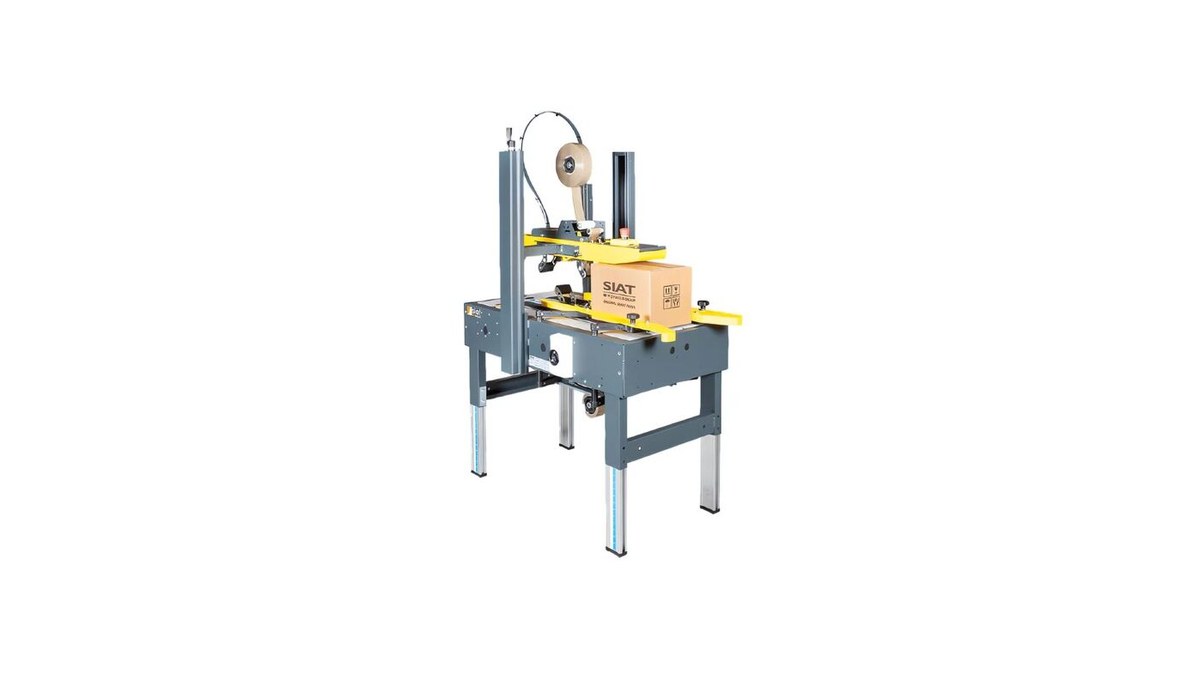
Manual taping becomes expensive quickly
Hand taping can be flexible, but it becomes inconsistent when volumes rise, operators change or packing areas become busy. A case taper can reduce repetitive tape-gun work and make finished cartons more uniform.
Choose the first automation step
A semi-automatic case taper is often the first step when operators still pack and close cartons. It keeps the packing method familiar while improving the sealing stage.
Plan for volume and variation
If carton sizes are consistent, the machine can be set for the batch. If sizes change constantly, a random-size solution may save more time than a fixed setting.
Measure the saving properly
Look at tape usage, rework, operator time, carton presentation, dispatch delays and peak periods. The value is not only speed; it is also consistency and repeatability.
Next step
For a practical recommendation, send carton dimensions, packed case weight, tape details, target output and photos of the current packing area. The aim is to match the case taper to your cartons and workflow, not to force a standard machine into the wrong process.
Use the case taper quote form or call 01494 623015.